






Diese Website verwendet Cookies und ähnliche Technologien. Dabei handelt es sich um kleine Textdateien, die auf eurem Computer gespeichert und ausgelesen werden. Indem ihr auf "Alles akzeptieren" klickt, stimmt ihr der Verarbeitung von Daten, der Erstellung und Verarbeitung von individuellen Nutzungsprofilen über Websites und über Partner und Geräte hinweg sowie der Übermittlung eurer Daten an Drittanbieter zu, die eure Daten teilweise in Ländern außerhalb der Europäischen Union verarbeiten (GDPR Art. 49). Einzelheiten hierzu findet ihr in den Datenschutzhinweisen. Die Daten werden für Analysen und für eigene Zwecke Dritter verwendet. Weitere Informationen, auch über die Datenverarbeitung durch Drittanbieter und die Möglichkeit des Widerrufs, findet ihr in den Einstellungen und in unseren Datenschutzhinweisen. Hier könnt ihr mit den notwendigen Tools fortfahren.
- Verlag: City Lights Books
- Autor: Allen Ginsberg
- Artikel-Nr.: KNV13224775
- ISBN: 9780872860179
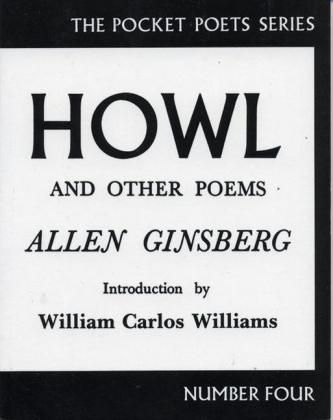
The landmark, original publication of Allen Ginsberg's HOWL & Other Poems
HOWL & Other Poems, the prophetic book that launched the Beat Generation, was published by Lawrence Ferlinghetti at City Lights Books in 1956. Considered the single most influential work of post-WWII United States poetry, the City Lights edition of HOWL has remained in print for more than 60 years, with well over 1,000,000 copies in print.
A strident critique of middle-class complacency, consumerism, and capitalist militarism, HOWL also celebrates the pleasures and freedoms of the physical world, including a tribute to homosexual love. In addition to "Howl," poems in the book include: "A Supermarket in California," "Sunflower Sutra," "America," "In the Baggage Room at Greyhound," "Transcription of Organ Music," and "Wild Orphan," among others.
A History of HOWL:
City Lights founder Lawrence Ferlinghetti first heard Allen Ginsberg read "Howl" at the Six Gallery event in San Francisco, 1955, which featured writers Philip Lamantia, Gary Snyder, Philip Whalen, and Michael McClure, introduced by poet Kenneth Rexroth. Jack Kerouac was present, but did not read, encouraging and cheering the other poets on. Ferlinghetti was so impressed by Ginsberg's performance, he immediately telegrammed him, referencing Ralph Waldo Emerson's response to Walt Whitman's Leaves of Grass, "I greet you at the beginning of a great career. When do I get the manuscript?"
When the first edition of HOWL arrived from its British printers, it was seized almost immediately by U.S. Customs, and shortly thereafter the San Francisco police arrested its publisher and editor, Lawrence Ferlinghetti, together with the City Lights Bookstore manager, Shigeyoshi Murao. The two were charged with disseminating obscene literature, and the case was sent to trial. Ferlinghetti partnered with the ACLU to launch a defense of HOWL, and a parade of distinguished literary and academic witnesses appeared in court to persuade the judge of its merits. In the end, famously conservative Judge Clayton Horn ruled that the poem was not obscene, but rather, as he stated emphatically, HOWL was a work of "redeeming social significance."
The landmark decision signaled a sea change in American culture, and the City Lights edition of HOWL became a vital cornerstone in the ongoing struggle for free expression and representation. It continues to attract generation after generation of readers.