



Diese Website verwendet Cookies und ähnliche Technologien. Dabei handelt es sich um kleine Textdateien, die auf eurem Computer gespeichert und ausgelesen werden. Indem ihr auf "Alles akzeptieren" klickt, stimmt ihr der Verarbeitung von Daten, der Erstellung und Verarbeitung von individuellen Nutzungsprofilen über Websites und über Partner und Geräte hinweg sowie der Übermittlung eurer Daten an Drittanbieter zu, die eure Daten teilweise in Ländern außerhalb der Europäischen Union verarbeiten (GDPR Art. 49). Einzelheiten hierzu findet ihr in den Datenschutzhinweisen. Die Daten werden für Analysen und für eigene Zwecke Dritter verwendet. Weitere Informationen, auch über die Datenverarbeitung durch Drittanbieter und die Möglichkeit des Widerrufs, findet ihr in den Einstellungen und in unseren Datenschutzhinweisen. Hier könnt ihr mit den notwendigen Tools fortfahren.
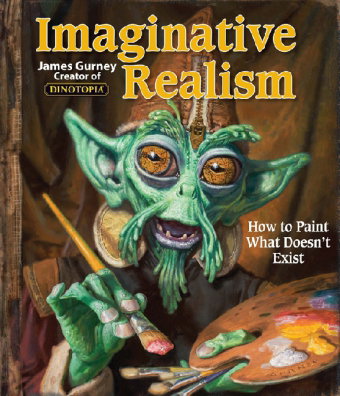
- Verlag: Andrews McMeel
- Autor: James Gurney
- Artikel-Nr.: KNV23504372
- ISBN: 9780740785504
"Gurney's Imaginative Realism is a gold mine for artists who want to create images that sing with authority and delight the viewer with rich otherworldly visuals." - Erik Tiemens, concept artist, Star Wars: Episodes II and III
"Imaginative Realism is an indispensable, flawless reference for vision-makers in any discipline to create their own imaginative realms." - Frank M. Costantino, ASAI, SI, FSAI, JARA, cofounder, American Society of Architectural Illustrators
In Imaginative Realism: How to Paint What Doesn't Exist, Dinotopia creator James Gurney instructs and inspires beginning artists and fans of fantasy art, sharing his uncanny ability to incorporate amazing detail and imagination into stunningly realistic fantasy settings and teaching, step-by-step, the techniques that won him worldwide critical acclaim. This groundbreaking work examines the practical methods for creating believable pictures of imaginary subjects, such as dinosaurs, ancient Romans, alien creatures, and distant worlds.
Alongside a survey of imaginative paintings from the Renaissance to the golden Age of American illustration, the book explains not just techniques like sketching and composition, but the fundamentals of believable world-building, including archaeology, architecture, anatomy for creatures and aliens, and fantastic engineering. It concludes with details and valuable advice on careers in fantasy illustration, including video game and film concept art and toy design.
More than an instruction book, this is the ultimate reference for artists as well as fans of science fiction and fantasy illustration.