






Diese Website verwendet Cookies und ähnliche Technologien. Dabei handelt es sich um kleine Textdateien, die auf eurem Computer gespeichert und ausgelesen werden. Indem ihr auf "Alles akzeptieren" klickt, stimmt ihr der Verarbeitung von Daten, der Erstellung und Verarbeitung von individuellen Nutzungsprofilen über Websites und über Partner und Geräte hinweg sowie der Übermittlung eurer Daten an Drittanbieter zu, die eure Daten teilweise in Ländern außerhalb der Europäischen Union verarbeiten (GDPR Art. 49). Einzelheiten hierzu findet ihr in den Datenschutzhinweisen. Die Daten werden für Analysen und für eigene Zwecke Dritter verwendet. Weitere Informationen, auch über die Datenverarbeitung durch Drittanbieter und die Möglichkeit des Widerrufs, findet ihr in den Einstellungen und in unseren Datenschutzhinweisen. Hier könnt ihr mit den notwendigen Tools fortfahren.
- Verlag: Distanz Verlag
- Autor: Thomas Elsner
- Artikel-Nr.: KNV66823530
- ISBN: 9783954762163
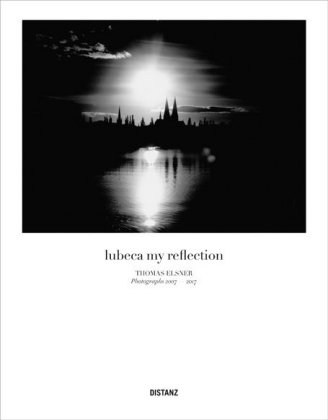
Everyone knows the UNESCO World Heritage-protected Lübeck with its Holstentor, warped gables, and sweet marzipan figurines, the city of a thousand picture-postcard views. In his novel "Buddenbrooks," Thomas Mann painted the fading glory of the erstwhile "Queen of the Hanseatic League" and its patrician burghers, the descendants of powerful merchants. Set on an island enclosed by the channels of a river, the Old Town with its seven steeples still stands tall. But there is also the Lübeck of the locals. The art director, designer, independent magazine publisher, and photographer Thomas Elsner (b. Lübeck, 1956; lives and works in Munich) was fourteen when his father gave him a camera and started taking him on rambles throughout Lübeck, showing him many a secret favorite spot. In the photo series Lubeca My Reflection, Elsner explores this heritage of his native city. The result is an almost imperceptible update of the aesthetic of slow decay in a city that still likes to call itself the "Venice of the North."
The book-with a preface by Björn Engholm-includes notes from a conversation between Frido Mann and Larissa Beham as well as essays by Karl-Hermann Leukert and Ingo Siegmund.