






Diese Website verwendet Cookies und ähnliche Technologien. Dabei handelt es sich um kleine Textdateien, die auf eurem Computer gespeichert und ausgelesen werden. Indem ihr auf "Alles akzeptieren" klickt, stimmt ihr der Verarbeitung von Daten, der Erstellung und Verarbeitung von individuellen Nutzungsprofilen über Websites und über Partner und Geräte hinweg sowie der Übermittlung eurer Daten an Drittanbieter zu, die eure Daten teilweise in Ländern außerhalb der Europäischen Union verarbeiten (GDPR Art. 49). Einzelheiten hierzu findet ihr in den Datenschutzhinweisen. Die Daten werden für Analysen und für eigene Zwecke Dritter verwendet. Weitere Informationen, auch über die Datenverarbeitung durch Drittanbieter und die Möglichkeit des Widerrufs, findet ihr in den Einstellungen und in unseren Datenschutzhinweisen. Hier könnt ihr mit den notwendigen Tools fortfahren.
- Verlag: De Gruyter
- Autor: Amalie Skovmøller
- Artikel-Nr.: KNV68793045
- ISBN: 9783110563665
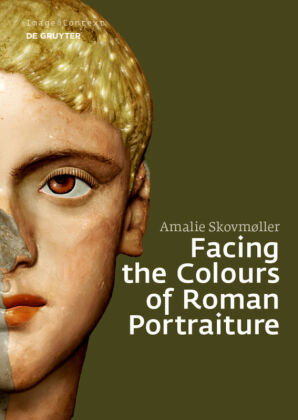
The fact that most ancient marble portraits were once intentionally polychrome has always been lurking at the corners of art historical and archaeological research. Despite the fact, that the colours of the sculpted forms completed, enhanced and even extended the plastic shapes, the topic has not been devoted much dedicated attention. This book represents the first full-length academic monograph which explores the original polychromy of Roman white marble portraiture. It presents results from scientific analysis of portraits in statuary and bust formats dating to the first three centuries CE. The book also explores the cultural and social significance of colours in their original contexts, and how the immaterial affects of the polychrome, three-dimensional images can be integrated into the traditional research into ancient portraiture, which has tended to place overwhelming emphasis on iconography, typology and biography. By doing so the ancient sculpted marble form, as we know it, will be exposed and confronted, and the impact of manipulated material effects, that were meant to evoke a broad range of multisensory experiences, will be emphasized. The book puts forth a new way of analysis to be tested and developed in the future.