






Diese Website verwendet Cookies und ähnliche Technologien. Dabei handelt es sich um kleine Textdateien, die auf eurem Computer gespeichert und ausgelesen werden. Indem ihr auf "Alles akzeptieren" klickt, stimmt ihr der Verarbeitung von Daten, der Erstellung und Verarbeitung von individuellen Nutzungsprofilen über Websites und über Partner und Geräte hinweg sowie der Übermittlung eurer Daten an Drittanbieter zu, die eure Daten teilweise in Ländern außerhalb der Europäischen Union verarbeiten (GDPR Art. 49). Einzelheiten hierzu findet ihr in den Datenschutzhinweisen. Die Daten werden für Analysen und für eigene Zwecke Dritter verwendet. Weitere Informationen, auch über die Datenverarbeitung durch Drittanbieter und die Möglichkeit des Widerrufs, findet ihr in den Einstellungen und in unseren Datenschutzhinweisen. Hier könnt ihr mit den notwendigen Tools fortfahren.
- Verlag: Peter Lang
- Autor: John A. McArthur
- Artikel-Nr.: KNV59464221
- ISBN: 9781433131868
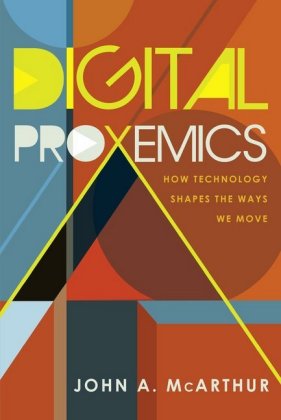
Combining dynamic stories, cutting-edge research, and deep reflection on the role of space in our lives, Digital Proxemics examines the ways that our uses of physical and digital spaces and our uses of technology are converging. It investigates the role of digital communication in proxemics, offering explorations of the ways digital technology shapes our personal bodily movement, our interpersonal negotiation of social space, and our navigation of public spaces and places. Through the lens of information and user-experience design, it adds forbidden spaces, ubicomp, augmented reality, digital surveillance, and virtual reality to the growing lexicon surrounding proxemics. The result is a spatial turn in the study of digital technology and a digital turn in the study of proxemics.
As our culture changes, our ability to make choices about how to move will be called into question, as will our expectations for what roles technology will play in our lives. As we navigate this intersection, Digital Proxemics is at once a valuable lens through which we can view our shifting culture, a cautionary tale through which we might envision problematic outcomes, and an optimistic projection of possibility for the future of human communication and technology interaction.