






Diese Website verwendet Cookies und ähnliche Technologien. Dabei handelt es sich um kleine Textdateien, die auf eurem Computer gespeichert und ausgelesen werden. Indem ihr auf "Alles akzeptieren" klickt, stimmt ihr der Verarbeitung von Daten, der Erstellung und Verarbeitung von individuellen Nutzungsprofilen über Websites und über Partner und Geräte hinweg sowie der Übermittlung eurer Daten an Drittanbieter zu, die eure Daten teilweise in Ländern außerhalb der Europäischen Union verarbeiten (GDPR Art. 49). Einzelheiten hierzu findet ihr in den Datenschutzhinweisen. Die Daten werden für Analysen und für eigene Zwecke Dritter verwendet. Weitere Informationen, auch über die Datenverarbeitung durch Drittanbieter und die Möglichkeit des Widerrufs, findet ihr in den Einstellungen und in unseren Datenschutzhinweisen. Hier könnt ihr mit den notwendigen Tools fortfahren.
- Verlag: Springer, Berlin
- Autor: Thalia MacMillan
- Artikel-Nr.: KNV67054973
- ISBN: 9783319727776
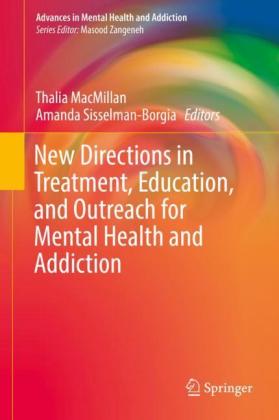
This practice-enhancing volume assembles the latest innovative thinking on working with clients who have both mental health diagnoses and substance use disorders. Diagnosis is a central focus of the coverage, untangling the often-knotty considerations surrounding dual diagnosis and the complex issues surrounding treatment even in frequently seen combinations (e.g., depression/alcohol abuse). The section on practice emphasizes meeting patients where they are and making use of their community, cultural, and spiritual contexts in crafting interventions. And the book's ambitious chapters on professional development describe training programs with the potential to produce the next generation of responsive, knowledgeable, and flexible therapists.
Among the topics covered:
· Comprehensive assessment of substance abuse and addiction risk in adolescents.
· The relationship between attachment and addiction.
· Addiction in the community: the role of emergency services.
· Substance use during and after major crisis and disaster: a practitioner's guide.
· Practice, advocacy, and outreach: perspectives on addiction services.· Teaching the importance of developing the therapeutic relationship.
New Directions in Treatment, Education, and Outreach for Mental Health and Addiction equips health and clinical psychologists, social workers, and addiction counselors and educators with a well-rounded understanding of a growing population, and a wealth of perspectives on effective new interventions.