






Diese Website verwendet Cookies und ähnliche Technologien. Dabei handelt es sich um kleine Textdateien, die auf eurem Computer gespeichert und ausgelesen werden. Indem ihr auf "Alles akzeptieren" klickt, stimmt ihr der Verarbeitung von Daten, der Erstellung und Verarbeitung von individuellen Nutzungsprofilen über Websites und über Partner und Geräte hinweg sowie der Übermittlung eurer Daten an Drittanbieter zu, die eure Daten teilweise in Ländern außerhalb der Europäischen Union verarbeiten (GDPR Art. 49). Einzelheiten hierzu findet ihr in den Datenschutzhinweisen. Die Daten werden für Analysen und für eigene Zwecke Dritter verwendet. Weitere Informationen, auch über die Datenverarbeitung durch Drittanbieter und die Möglichkeit des Widerrufs, findet ihr in den Einstellungen und in unseren Datenschutzhinweisen. Hier könnt ihr mit den notwendigen Tools fortfahren.
- Verlag: Head of Zeus
- Autor: Heinrich Gerlach
- Artikel-Nr.: KNV69128916
- ISBN: 9781786690630
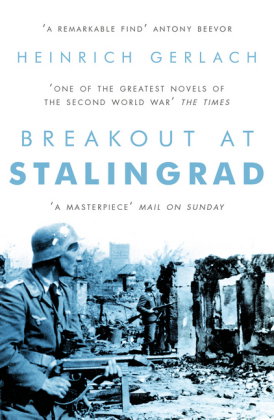
'A remarkable find' Antony Beevor.
'A masterpiece' Mail on Sunday.
Stalingrad, November 1942. Lieutenant Breuer dreams of returning home for Christmas. But he and his fellow German soldiers will spend winter in a frozen hell - as snow, ice and relentless Soviet assaults reduce the once-mighty Sixth Army to a diseased and starving rabble. Breakout at Stalingrad is a stark and terrifying portrait of the horrors of war, and a profoundly humane depiction of comradeship in adversity.
The book itself has an extraordinary story behind it. Its author fought at Stalingrad and was imprisoned by the Soviets. In captivity, he wrote a novel based on his experiences, which the Soviets confiscated before releasing him. Gerlach resorted to hypnosis to remember his narrative, and in 1957 it was published as The Forsaken Army. Fifty-five years later Carsten Gansel, an academic, came across the original manuscript of Gerlach's novel in a Moscow archive. This first translation into English of Breakout at Stalingrad includes the story of Gansel's sensational discovery.