






Diese Website verwendet Cookies und ähnliche Technologien. Dabei handelt es sich um kleine Textdateien, die auf eurem Computer gespeichert und ausgelesen werden. Indem ihr auf "Alles akzeptieren" klickt, stimmt ihr der Verarbeitung von Daten, der Erstellung und Verarbeitung von individuellen Nutzungsprofilen über Websites und über Partner und Geräte hinweg sowie der Übermittlung eurer Daten an Drittanbieter zu, die eure Daten teilweise in Ländern außerhalb der Europäischen Union verarbeiten (GDPR Art. 49). Einzelheiten hierzu findet ihr in den Datenschutzhinweisen. Die Daten werden für Analysen und für eigene Zwecke Dritter verwendet. Weitere Informationen, auch über die Datenverarbeitung durch Drittanbieter und die Möglichkeit des Widerrufs, findet ihr in den Einstellungen und in unseren Datenschutzhinweisen. Hier könnt ihr mit den notwendigen Tools fortfahren.
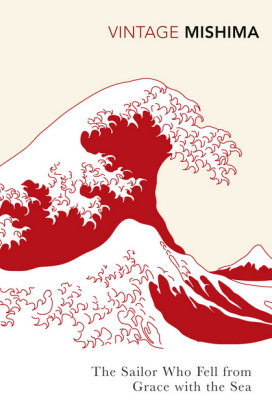
- Verlag: Random House UK
- Autor: Yukio Mishima
- Artikel-Nr.: KNV29994585
- ISBN: 9780099284796
Noboru spies on his widowed mother, Fusako Kuroda, as she begins a relationship with Ryuji Tsukazaki, a merchant sailor he idolises as a hero.
Set in post-war Yokohama, Japan, in the late 1950s, The Sailor Who Fell from Grace from the Sea follows thirteen-year-old Noboru and a secret gang of schoolboys who have sworn to reject the adult world as sentimental and corrupt. Under the cold authority of their leader, they train themselves in what they call 'objectivity,' suppressing emotion in favour of ruthless judgement.
When Ryuji abandons the sea to pursue a settled life with Fusako, Noboru and the boys see this not as love, but as weakness. The sailor they once revered becomes, in their eyes, a traitor to heroic masculinity. Their disillusionment curdles into a calculated plan to restore what they believe is honour.
As twentieth-century Japanese historical fiction grounded in the social aftermath of the Second World War, The Sailor Who Fell from Grace from the Sea builds towards an act of chilling violence, exposing adolescent absolutism, misogyny, and the fragile myth of male heroism.
'Mishima's greatest novel, and one of the greatest of the past century' The Times