






Diese Website verwendet Cookies und ähnliche Technologien. Dabei handelt es sich um kleine Textdateien, die auf eurem Computer gespeichert und ausgelesen werden. Indem ihr auf "Alles akzeptieren" klickt, stimmt ihr der Verarbeitung von Daten, der Erstellung und Verarbeitung von individuellen Nutzungsprofilen über Websites und über Partner und Geräte hinweg sowie der Übermittlung eurer Daten an Drittanbieter zu, die eure Daten teilweise in Ländern außerhalb der Europäischen Union verarbeiten (GDPR Art. 49). Einzelheiten hierzu findet ihr in den Datenschutzhinweisen. Die Daten werden für Analysen und für eigene Zwecke Dritter verwendet. Weitere Informationen, auch über die Datenverarbeitung durch Drittanbieter und die Möglichkeit des Widerrufs, findet ihr in den Einstellungen und in unseren Datenschutzhinweisen. Hier könnt ihr mit den notwendigen Tools fortfahren.
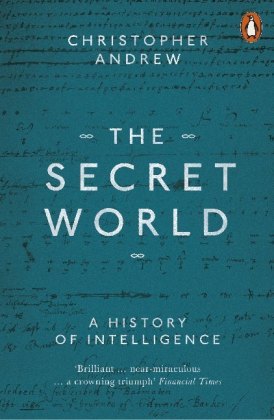
- Verlag: Penguin Books UK
- Autor: Christopher Andrew
- Artikel-Nr.: KNV77377993
- ISBN: 9780140285321
'The most comprehensive narrative of intelligence compiled ... unrivalled' Max Hastings, Sunday Times
'Captivating, insightful and masterly' Edward Lucas, The Times
The history of espionage is far older than any of today's intelligence agencies, yet the long history of intelligence operations has been largely forgotten. The first mention of espionage in world literature is in the Book of Exodus.'God sent out spies into the land of Canaan'. From there, Christopher Andrew traces the shift in the ancient world from divination to what we would recognize as attempts to gather real intelligence in the conduct of military operations, and considers how far ahead of the West - at that time - China and India were. He charts the development of intelligence and security operations and capacity through, amongst others, Renaissance Venice, Elizabethan England, Revolutionary America, Napoleonic France, right up to sophisticated modern activities of which he is the world's best-informed interpreter. What difference have security and intelligence operations made to course of history? Why have they so often forgotten by later practitioners? This fascinating book provides the answers.