






Diese Website verwendet Cookies und ähnliche Technologien. Dabei handelt es sich um kleine Textdateien, die auf eurem Computer gespeichert und ausgelesen werden. Indem ihr auf "Alles akzeptieren" klickt, stimmt ihr der Verarbeitung von Daten, der Erstellung und Verarbeitung von individuellen Nutzungsprofilen über Websites und über Partner und Geräte hinweg sowie der Übermittlung eurer Daten an Drittanbieter zu, die eure Daten teilweise in Ländern außerhalb der Europäischen Union verarbeiten (GDPR Art. 49). Einzelheiten hierzu findet ihr in den Datenschutzhinweisen. Die Daten werden für Analysen und für eigene Zwecke Dritter verwendet. Weitere Informationen, auch über die Datenverarbeitung durch Drittanbieter und die Möglichkeit des Widerrufs, findet ihr in den Einstellungen und in unseren Datenschutzhinweisen. Hier könnt ihr mit den notwendigen Tools fortfahren.
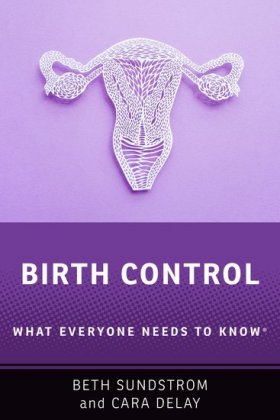
- Verlag: Oxford University Press
- Autor: Beth L. Sundstrom
- Artikel-Nr.: KNV84003198
- ISBN: 9780190069667
Research indicates that women are familiar with the range of contraceptive methods available today. But the persistently high rates of unintended pregnancy, combined with common dissatisfaction and discontinuation, suggest that women's contraceptive needs continue to be unmet.
Birth Control: What Everyone Needs to Know will offer more than a user's guide to available means of contraception: it will examine how supported family-planning infrastructure impacts society as a whole. Through reviews of policy, scientific literature, and supplemental interviews with women, it will uncover women's concerns and apprehensions about contraception, as well as the ways birth control empowers women and increases access to educational and professional opportunities. It will provide an overview the history of birth control, the risks and benefits of contraception, the role of menstruation, and the future of birth control. The goal of this book is to provide accurate, unbiased scientific information about contraception in the context of women's lived experiences and the realities of how individuals make decisions about birth control.