






Diese Website verwendet Cookies und ähnliche Technologien. Dabei handelt es sich um kleine Textdateien, die auf eurem Computer gespeichert und ausgelesen werden. Indem ihr auf "Alles akzeptieren" klickt, stimmt ihr der Verarbeitung von Daten, der Erstellung und Verarbeitung von individuellen Nutzungsprofilen über Websites und über Partner und Geräte hinweg sowie der Übermittlung eurer Daten an Drittanbieter zu, die eure Daten teilweise in Ländern außerhalb der Europäischen Union verarbeiten (GDPR Art. 49). Einzelheiten hierzu findet ihr in den Datenschutzhinweisen. Die Daten werden für Analysen und für eigene Zwecke Dritter verwendet. Weitere Informationen, auch über die Datenverarbeitung durch Drittanbieter und die Möglichkeit des Widerrufs, findet ihr in den Einstellungen und in unseren Datenschutzhinweisen. Hier könnt ihr mit den notwendigen Tools fortfahren.
- Verlag: Taylor & Francis
- Autor: John G. Horgan
- Artikel-Nr.: KNV84175393
- ISBN: 9780415698023
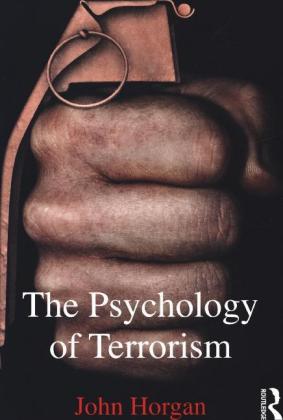
This new edition of John Horgan's critically acclaimed book is fully revised and expanded.
The book presents a critical analysis of our existing knowledge and understanding of terrorist psychology. Despite the on-going search for a terrorist pathology, the most insightful and evidence-based research to date not only illustrates the lack of any identifiable psychopathology in terrorists, but demonstrates how frighteningly 'normal' and unremarkable in psychological terms are those who engage in terrorist activity. By producing a clearer map of the processes that impinge upon the individual terrorist, a different type of terrorist psychology emerges, one which has clearer implications for efforts at countering and disrupting violent extremism in today's world.
In this 2nd edition, Horgan further develops his approach to the arc of terrorism by delving deeper into his IED model of Involvement, Engagement and Disengagement - the three phases of terrorism experienced by every single terrorist. Drawing on new and exciting research from the past decade, with new details from interviews with terrorists ranging from al-Qaeda to left-wing revolutionaries, biographies and autobiographies of former terrorists, and insights from historic and contemporary terrorist attacks since 2005, Horgan presents a fully revised and expanded edition of his signature text.
This new edition of The Psychology of Terrorism will be essential reading for students of terrorism and political violence, and counterterrorism studies, and recommended for forensic psychology, criminology, international security and IR in general.