






Diese Website verwendet Cookies und ähnliche Technologien. Dabei handelt es sich um kleine Textdateien, die auf eurem Computer gespeichert und ausgelesen werden. Indem ihr auf "Alles akzeptieren" klickt, stimmt ihr der Verarbeitung von Daten, der Erstellung und Verarbeitung von individuellen Nutzungsprofilen über Websites und über Partner und Geräte hinweg sowie der Übermittlung eurer Daten an Drittanbieter zu, die eure Daten teilweise in Ländern außerhalb der Europäischen Union verarbeiten (GDPR Art. 49). Einzelheiten hierzu findet ihr in den Datenschutzhinweisen. Die Daten werden für Analysen und für eigene Zwecke Dritter verwendet. Weitere Informationen, auch über die Datenverarbeitung durch Drittanbieter und die Möglichkeit des Widerrufs, findet ihr in den Einstellungen und in unseren Datenschutzhinweisen. Hier könnt ihr mit den notwendigen Tools fortfahren.
- Verlag: Springer, Berlin
- Autor: Elizabeth Cox
- Artikel-Nr.: KNV89789043
- ISBN: 9783030714963
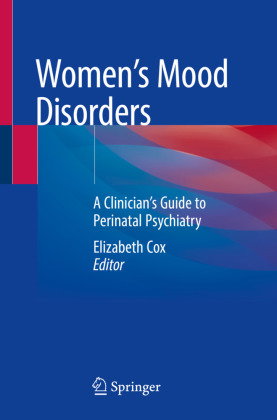
This text provides background on the history of perinatal psychiatry, and discusses future directions in the field. It clearly defines perinatal mood and anxiety disorders (PMADs), which are the most common complication of pregnancy. When left untreated, PMADs are morbid and devastating for both the patient and their entire family. It reviews gold standard recommendations for the treatment of PMADs, including evidence-based psychotherapies, as well as risk-benefit analysis of psychotropic medication use in pregnancy and lactation. Additionally, common presentations of depression, anxiety, and trauma in pregnancy and postpartum women, as well as mania, psychosis, suicidal and homicidal thoughts are reviewed.
Women's Mood Disorders: A Clinician's Guide to Perinatal Psychiatry highlights special considerations in pregnancy, including teenage pregnancies, hyperemesis gravidum, eating disorders, substance abuse disorders, as well as infertility, miscarriageand loss. The text concludes with outlining the importance of collaborative care in providing gold standard treatment of perinatal women and review documentation and legal considerations. This handbook will help educate and train future psychiatrists and OBGYNs in feeling confident and comfortable assessing and treating pregnant women who suffer from PMADs.