






Diese Website verwendet Cookies und ähnliche Technologien. Dabei handelt es sich um kleine Textdateien, die auf eurem Computer gespeichert und ausgelesen werden. Indem ihr auf "Alles akzeptieren" klickt, stimmt ihr der Verarbeitung von Daten, der Erstellung und Verarbeitung von individuellen Nutzungsprofilen über Websites und über Partner und Geräte hinweg sowie der Übermittlung eurer Daten an Drittanbieter zu, die eure Daten teilweise in Ländern außerhalb der Europäischen Union verarbeiten (GDPR Art. 49). Einzelheiten hierzu findet ihr in den Datenschutzhinweisen. Die Daten werden für Analysen und für eigene Zwecke Dritter verwendet. Weitere Informationen, auch über die Datenverarbeitung durch Drittanbieter und die Möglichkeit des Widerrufs, findet ihr in den Einstellungen und in unseren Datenschutzhinweisen. Hier könnt ihr mit den notwendigen Tools fortfahren.
- Verlag: Macmillan Publishers International
- Autor: George Orwell
- Artikel-Nr.: KNV91798545
- ISBN: 9781529032727
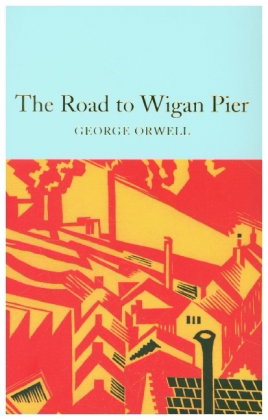
The Road to Wigan Pier is a book in two parts: the first half is Orwell's description of working-class life in industrial communities of the north of England, the second examines his own political views.
Part of the Macmillan Collector's Library; a series of stunning, clothbound, pocket-sized classics with gold foiled edges and ribbon markers. These beautiful books make perfect gifts or a treat for any book lover. This edition is introduced by journalist and author Amelia Gentleman.
The Road to Wigan Pier is an insightful and powerful account of lives lived in poverty and deprivation in a time of low wages and meagre government support. Orwell describes dismal housing (including the lodging house where he stays), harsh working conditions and the devastating effects of unemployment. And he also vividly describes the courage and dignity of the people he meets. In the second half of the book, Orwell examines his own political and social affiliations with an impressive ability to provoke and to question. He defends middle-class values whilst critiquing the failures of his own class, he advocates socialism whilst criticizing the socialist movement in England.