






Diese Website verwendet Cookies und ähnliche Technologien. Dabei handelt es sich um kleine Textdateien, die auf eurem Computer gespeichert und ausgelesen werden. Indem ihr auf "Alles akzeptieren" klickt, stimmt ihr der Verarbeitung von Daten, der Erstellung und Verarbeitung von individuellen Nutzungsprofilen über Websites und über Partner und Geräte hinweg sowie der Übermittlung eurer Daten an Drittanbieter zu, die eure Daten teilweise in Ländern außerhalb der Europäischen Union verarbeiten (GDPR Art. 49). Einzelheiten hierzu findet ihr in den Datenschutzhinweisen. Die Daten werden für Analysen und für eigene Zwecke Dritter verwendet. Weitere Informationen, auch über die Datenverarbeitung durch Drittanbieter und die Möglichkeit des Widerrufs, findet ihr in den Einstellungen und in unseren Datenschutzhinweisen. Hier könnt ihr mit den notwendigen Tools fortfahren.
- Verlag: Random House UK
- Autor: Andrew McMillan
- Artikel-Nr.: KNV91825408
- ISBN: 9781787333192
*A 'BOOKS OF 2021' PICK IN THE GUARDIAN, FINANCIAL TIMES AND IRISH TIMES CULTURE*
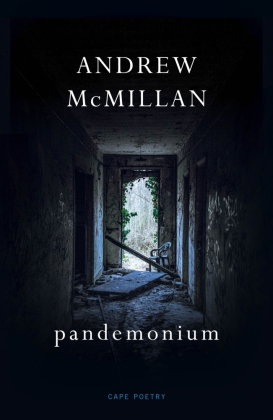
After two prize-winning collections which examined the intimacies and intricacies of the physical body, McMillan's third book marks a shift: both inward, into the difficult world of mental health, and outwards into the natural and political world.
Keeping his trademark breath-space and lower-case lines, but more formally experimental, incorporating sequences and sonnets, the poems in pandemonium explore the fragility and depth of the human mind - in its panic and its troubled retreat - and map this turmoil onto the chaos and abundance of the garden. Depression is mirrored in the invasive, seemingly untreatable knotweed that slowly suffocates the garden, while the sky conspires in its sudden, terrifying clarity, 'as though the root of the world were ripped clean off'.
McMillan has been celebrated for his unflinchingly frank depictions of the body and sexual love, but these new poems are raw dispatches from a mind in freefall, a body in trouble. Addressing a period of acute depression, they are less about physical union and completeness and more about fracture and distance: tender, savagely moving poems which stare, unblinkingly, into the sudden havoc and hurt of this world, searching for - and finally finding - some redemption.