






Diese Website verwendet Cookies und ähnliche Technologien. Dabei handelt es sich um kleine Textdateien, die auf eurem Computer gespeichert und ausgelesen werden. Indem ihr auf "Alles akzeptieren" klickt, stimmt ihr der Verarbeitung von Daten, der Erstellung und Verarbeitung von individuellen Nutzungsprofilen über Websites und über Partner und Geräte hinweg sowie der Übermittlung eurer Daten an Drittanbieter zu, die eure Daten teilweise in Ländern außerhalb der Europäischen Union verarbeiten (GDPR Art. 49). Einzelheiten hierzu findet ihr in den Datenschutzhinweisen. Die Daten werden für Analysen und für eigene Zwecke Dritter verwendet. Weitere Informationen, auch über die Datenverarbeitung durch Drittanbieter und die Möglichkeit des Widerrufs, findet ihr in den Einstellungen und in unseren Datenschutzhinweisen. Hier könnt ihr mit den notwendigen Tools fortfahren.
- Verlag: Macmillan Publishers International
- Autor: Ralf Rothmann
- Artikel-Nr.: KNV94845915
- ISBN: 9781529009842
'This book's power lies in its depiction of civilians trying to lead ordinary lives during the horror of war . . . It is shattering stuff, but Rothmann is tender towards his characters and this book is as memorable as his last.' The Times, 'Historical Fiction Book of the Month'
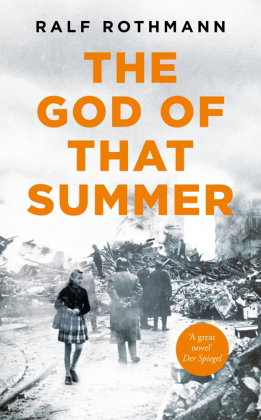
As the Second World War enters its final stages, millions in Germany are forced from their homes by bombing, compelled to seek shelter in the countryside where there are barely the resources to feed them.
Twelve-year-old Luisa, her mother, and her older sister Billie have escaped the devastation of the city for the relative safety of a dairy farm. But even here the power struggles of the war play out: the family depend on the goodwill of Luisa's brother-in-law, an SS officer, who in expectation of payment turns his attention away from his wife and towards Billie. Luisa immerses herself in books, but even she notices the Allied bombers flying east above them, the gauntness of the prisoners at the camp nearby, the disappearance of fresh-faced boys from the milk shed - hastily shipped off to a war that's already lost.
Living on the farm teaches Luisa about life and death, but it's man's capacity for violence that provides the ultimate lesson, that robs her of her innocent ignorance. When, at a birthday celebration, her worst fears are realized, Luisa collapses under the weight of the inexplicable.
Ralf Rothmann's previous novel, To Die in Spring, described the horror of war and the damage done on the battlefield. The God of that Summer tells the devastating story of civilians caught up in the chaos of defeat, of events that might lead a twelve-year-old child to justifiably say: 'I have experienced everything.'