






Diese Website verwendet Cookies und ähnliche Technologien. Dabei handelt es sich um kleine Textdateien, die auf eurem Computer gespeichert und ausgelesen werden. Indem ihr auf "Alles akzeptieren" klickt, stimmt ihr der Verarbeitung von Daten, der Erstellung und Verarbeitung von individuellen Nutzungsprofilen über Websites und über Partner und Geräte hinweg sowie der Übermittlung eurer Daten an Drittanbieter zu, die eure Daten teilweise in Ländern außerhalb der Europäischen Union verarbeiten (GDPR Art. 49). Einzelheiten hierzu findet ihr in den Datenschutzhinweisen. Die Daten werden für Analysen und für eigene Zwecke Dritter verwendet. Weitere Informationen, auch über die Datenverarbeitung durch Drittanbieter und die Möglichkeit des Widerrufs, findet ihr in den Einstellungen und in unseren Datenschutzhinweisen. Hier könnt ihr mit den notwendigen Tools fortfahren.
- Verlag: Springer, Berlin
- Autor: Francis J. P. Ebling
- Artikel-Nr.: KNV95410484
- ISBN: 9783030556457
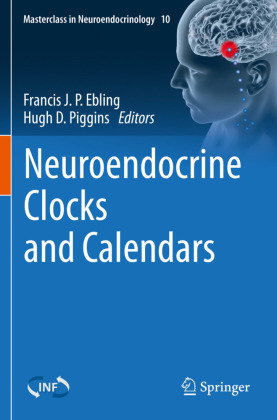
This book explores how daily and seasonal rhythmicity is generated, how these rhythms are synchronised by our environment, and how they regulate the neuroendocrine systems that impact our physiology and behaviour.
The constraints of surviving in a seasonal environment have shaped human evolution and migration, have shaped our societies and cultures, and continue to influence our everyday lives, health and wellbeing. Identifying the mechanisms whereby seasonal rhythmicity is generated and regulates the brain and body is not only important for understanding the natural world and relevant to animal production, it also offers many insights into the human condition.
Each chapter is written by an international expert in the field of chronobiology. A historical perspective on how research into photoperiodism and rhythmicity progressed is initially provided, but the main focus of this book is on the remarkable studies in the last few decades that have unravelled the molecular and cellular machinery underpinning circadian and circannual timing. Topics covered include the role of melatonin in communicating seasonal information to the brain and pituitary gland, the neuroanatomical pathways in mammals, birds and fish by which changes in photoperiod reach the hypothalamus, the role of glial cells (tanycytes) and thyroid hormone in seasonal rhythmicity, neuroplasticity across seasons, effects of changing day length on mood, regulation of "clock" gene expression, and the role of the suprachiasmatic nucleus.
This book will appeal to all students and researchers who wish to learn about current and past research on daily and seasonal rhythmicity.
This is the tenth volume in the International Neuroendocrine Federation (INF) Masterclass in Neuroendocrinology series (Volumes 1-7 published by Wiley) that aims to illustrate highest standards and encourage the use of the latest technologies in basic and clinical research and hopes toprovide inspiration for further exploration into the exciting field of neuroendocrinology.