






Diese Website verwendet Cookies und ähnliche Technologien. Dabei handelt es sich um kleine Textdateien, die auf eurem Computer gespeichert und ausgelesen werden. Indem ihr auf "Alles akzeptieren" klickt, stimmt ihr der Verarbeitung von Daten, der Erstellung und Verarbeitung von individuellen Nutzungsprofilen über Websites und über Partner und Geräte hinweg sowie der Übermittlung eurer Daten an Drittanbieter zu, die eure Daten teilweise in Ländern außerhalb der Europäischen Union verarbeiten (GDPR Art. 49). Einzelheiten hierzu findet ihr in den Datenschutzhinweisen. Die Daten werden für Analysen und für eigene Zwecke Dritter verwendet. Weitere Informationen, auch über die Datenverarbeitung durch Drittanbieter und die Möglichkeit des Widerrufs, findet ihr in den Einstellungen und in unseren Datenschutzhinweisen. Hier könnt ihr mit den notwendigen Tools fortfahren.
- Verlag: MIT Press
- Autor: Eric Heinze
- Artikel-Nr.: KNV95460314
- ISBN: 9780262046459
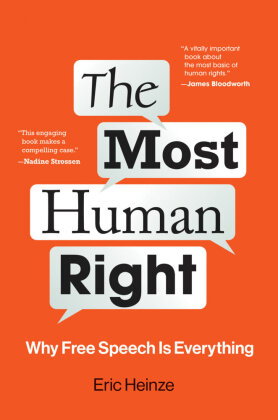
What are human rights? Are they laid out definitively in the UN s Universal Declaration of Human Rights or the US Bill of Rights? Are they items on a checklist dignity, justice, progress, standard of living, health care, housing? In The Most Human Right, Eric Heinze explains why global human rights systems have failed. International organizations constantly report on how governments manage human goods, such as fair trials, humane conditions of detention, healthcare, or housing. But to appease autocratic regimes, experts have ignored the primacy of free speech. Heinze argues that goods become rights only when citizens can claim them publicly and fearlessly: free speech is the fundamental right, without which the very concept of a right makes no sense.
Heinze argues that throughout history countless systems of justice have promised human goods. What, then, makes human rights different? What must human rights have that other systems have lacked? Heinze revisits the origins of the concept, exploring what it means for a nation to protect human rights, and what a citizen needs in order to pursue them. He explains how free speech distinguishes human rights from other ideas about justice, past and present.