






Diese Website verwendet Cookies und ähnliche Technologien. Dabei handelt es sich um kleine Textdateien, die auf eurem Computer gespeichert und ausgelesen werden. Indem ihr auf "Alles akzeptieren" klickt, stimmt ihr der Verarbeitung von Daten, der Erstellung und Verarbeitung von individuellen Nutzungsprofilen über Websites und über Partner und Geräte hinweg sowie der Übermittlung eurer Daten an Drittanbieter zu, die eure Daten teilweise in Ländern außerhalb der Europäischen Union verarbeiten (GDPR Art. 49). Einzelheiten hierzu findet ihr in den Datenschutzhinweisen. Die Daten werden für Analysen und für eigene Zwecke Dritter verwendet. Weitere Informationen, auch über die Datenverarbeitung durch Drittanbieter und die Möglichkeit des Widerrufs, findet ihr in den Einstellungen und in unseren Datenschutzhinweisen. Hier könnt ihr mit den notwendigen Tools fortfahren.
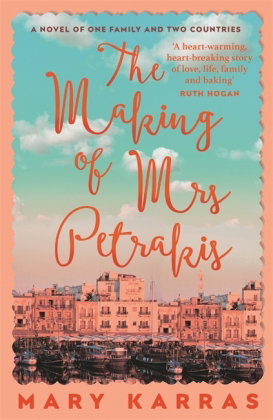
- Verlag: Hodder & Stoughton
- Autor: Mary Karras
- Artikel-Nr.: KNV95603714
- ISBN: 9781529344950
'An evocative mix of history, food and storytelling.' EVENING STANDARD BEST FICTION 2021
'a heart-warming, heart-breaking story of love, life, family and, of course, baking.' RUTH HOGAN
Cyprus in the run up to the civil war of the 1970s... the threat of it hangs in the atmosphere like a fine mist. A terrible thing, war. Against this backdrop of war and violence, the island's inhabitants make the best they can of their lives, building friendships, falling in love, having children, watching people die, making mistakes.
Maria Petrakis, however, flees a brutal marriage on the island where she has always lived for London and a new start. She opens a bakery on Green Lanes in Harringay - the centre of the small Greek Cypriot community whose residents have settled there to escape the war and start again. Here she comes into her own as she heals and atones through the kneading of bread and the selling of shamali cakes and cinnamon pastries to her customers.
There are glimpses of the lives of her neighbours, friends and customers as they buy their bread and cakes. There's Mrs Koutsouli, whose heart was broken when her handsome son married a xeni, an English woman with fish-eyes and yellow hair. There's Mrs Pantelis, driven half-mad with the grief of losing her son, Nico, in the war. And there's Mrs Vasili who claims to be related to Nana Mouskouri and grows her hair upwards so she can feel closer to God. Finally, there's Elena, Maria Petrakis' daughter-in-law, who has been suffering with the blackness since having a baby, and whom nobody knows quite how to help.
The Making Of Mrs Petrakis is a story about the limited choices women sometimes find themselves confronting. It's a story about repression and mental illness and the devastation it can wreak on lives. But above all, it is a story of motherhood and love and of healing through the humble act of baking.