






Diese Website verwendet Cookies und ähnliche Technologien. Dabei handelt es sich um kleine Textdateien, die auf eurem Computer gespeichert und ausgelesen werden. Indem ihr auf "Alles akzeptieren" klickt, stimmt ihr der Verarbeitung von Daten, der Erstellung und Verarbeitung von individuellen Nutzungsprofilen über Websites und über Partner und Geräte hinweg sowie der Übermittlung eurer Daten an Drittanbieter zu, die eure Daten teilweise in Ländern außerhalb der Europäischen Union verarbeiten (GDPR Art. 49). Einzelheiten hierzu findet ihr in den Datenschutzhinweisen. Die Daten werden für Analysen und für eigene Zwecke Dritter verwendet. Weitere Informationen, auch über die Datenverarbeitung durch Drittanbieter und die Möglichkeit des Widerrufs, findet ihr in den Einstellungen und in unseren Datenschutzhinweisen. Hier könnt ihr mit den notwendigen Tools fortfahren.
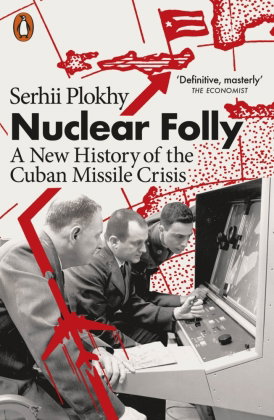
- Verlag: Penguin Books UK
- Autor: Serhii Plokhy
- Artikel-Nr.: KNV95631531
- ISBN: 9780141993287
*Shortlisted for the Duke of Wellington Medal for Military History*
'An enthralling account of a pivotal moment in modern history. . . replete with startling revelations about the deception and mutual suspicion that brought the US and Soviet Union to the brink of Armageddon in October 1962' Martin Chilton, Independent
The definitive new history of the Cuban Missile Crisis from the author of Chernobyl: History of a Tragedy, winner of the Baillie Gifford Prize
For more than four weeks in the autumn of 1962 the world teetered. The consequences of a misplaced step during the Cuban Missile Crisis could not have been more grave. Ash and cinder, famine and fallout; nuclear war between the two most-powerful nations on Earth.
In Nuclear Folly, award-winning historian Serhii Plokhy tells the riveting story of those weeks, tracing the tortuous decision-making and calculated brinkmanship of John F. Kennedy, Nikita Khrushchev and Fidel Castro, and of their advisors and commanders on the ground. More often than not, Plokhy argues, the Americans and Soviets simply misread each other, operating under mutual distrust, second-guesses and false information. Despite all of this, nuclear disaster was avoided thanks to one very human reason: fear.
Drawing on an impressive array of primary sources, including recently declassified KGB files, Plokhy masterfully illustrates the drama of those tense days. Authoritative, fast-paced and unforgettable, this is the definitive new account of the Cold War's most perilous moment.