






Diese Website verwendet Cookies und ähnliche Technologien. Dabei handelt es sich um kleine Textdateien, die auf eurem Computer gespeichert und ausgelesen werden. Indem ihr auf "Alles akzeptieren" klickt, stimmt ihr der Verarbeitung von Daten, der Erstellung und Verarbeitung von individuellen Nutzungsprofilen über Websites und über Partner und Geräte hinweg sowie der Übermittlung eurer Daten an Drittanbieter zu, die eure Daten teilweise in Ländern außerhalb der Europäischen Union verarbeiten (GDPR Art. 49). Einzelheiten hierzu findet ihr in den Datenschutzhinweisen. Die Daten werden für Analysen und für eigene Zwecke Dritter verwendet. Weitere Informationen, auch über die Datenverarbeitung durch Drittanbieter und die Möglichkeit des Widerrufs, findet ihr in den Einstellungen und in unseren Datenschutzhinweisen. Hier könnt ihr mit den notwendigen Tools fortfahren.
- Verlag: Oxford University Press
- Autor: Roy Sorensen
- Artikel-Nr.: KNV95629312
- ISBN: 9780199742837
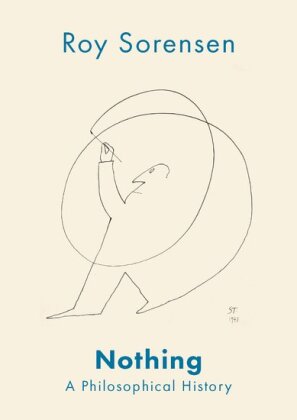
How can nothing cause something? The absence of something might seem to indicate a null or a void, an emptiness as ineffectual as a shadow. In fact, 'nothing' is one of the most powerful ideas the human mind has ever conceived. This short and entertaining book by Roy Sorensen is a lively tour of the history and philosophy of nothing, explaining how various thinkers throughout history have conceived and grappled with the mysterious power of absence -- and how these ideas about shadows, gaps, and holes have in turned played a very positive role in the development of some of humankind's most important ideas. Filled with Sorensen's characteristically entertaining mix of anecdotes, puzzles, curiosities, and philosophical speculation, the book is ordered chronologically, starting with the Taoists, the Buddhists, and the ancient Greeks, moving forward to the middle ages and the early modern period, then up to the existentialists and present day philosophy. The result is a diverting tour through the history of human thought as seen from a novel and unusual perspective.