






Diese Website verwendet Cookies und ähnliche Technologien. Dabei handelt es sich um kleine Textdateien, die auf eurem Computer gespeichert und ausgelesen werden. Indem ihr auf "Alles akzeptieren" klickt, stimmt ihr der Verarbeitung von Daten, der Erstellung und Verarbeitung von individuellen Nutzungsprofilen über Websites und über Partner und Geräte hinweg sowie der Übermittlung eurer Daten an Drittanbieter zu, die eure Daten teilweise in Ländern außerhalb der Europäischen Union verarbeiten (GDPR Art. 49). Einzelheiten hierzu findet ihr in den Datenschutzhinweisen. Die Daten werden für Analysen und für eigene Zwecke Dritter verwendet. Weitere Informationen, auch über die Datenverarbeitung durch Drittanbieter und die Möglichkeit des Widerrufs, findet ihr in den Einstellungen und in unseren Datenschutzhinweisen. Hier könnt ihr mit den notwendigen Tools fortfahren.
- Verlag: Little, Brown Book Group
- Autor: Elena Conis
- Artikel-Nr.: KNV95641946
- ISBN: 9781645036746
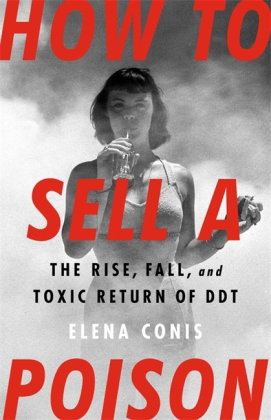
The chemical compound DDT first earned fame during World War II by wiping out insects that caused disease and boosting Allied forces to victory. Americans granted it a hero's homecoming, spraying it on everything from crops and livestock to cupboards and curtains. Then, in 1972, it was banned in the US. But decades after that, a cry arose to demand its return.
This is the sweeping narrative of generations of Americans who struggled to make sense of the notorious chemical's risks and benefits. Historian Elena Conis follows DDT from postwar farms, factories, and suburban enclaves to the floors of Congress and tony social clubs, where industry barons met with Madison Avenue brain trusts to figure out how to sell the idea that a little poison in our food and bodies was nothing to worry about.
In an age of spreading misinformation on issues including pesticides, vaccines, and climate change, Conis shows that we need new ways of communicating about science-as a constantly evolving discipline, not an immutable collection of facts-before it's too late.