






Diese Website verwendet Cookies und ähnliche Technologien. Dabei handelt es sich um kleine Textdateien, die auf eurem Computer gespeichert und ausgelesen werden. Indem ihr auf "Alles akzeptieren" klickt, stimmt ihr der Verarbeitung von Daten, der Erstellung und Verarbeitung von individuellen Nutzungsprofilen über Websites und über Partner und Geräte hinweg sowie der Übermittlung eurer Daten an Drittanbieter zu, die eure Daten teilweise in Ländern außerhalb der Europäischen Union verarbeiten (GDPR Art. 49). Einzelheiten hierzu findet ihr in den Datenschutzhinweisen. Die Daten werden für Analysen und für eigene Zwecke Dritter verwendet. Weitere Informationen, auch über die Datenverarbeitung durch Drittanbieter und die Möglichkeit des Widerrufs, findet ihr in den Einstellungen und in unseren Datenschutzhinweisen. Hier könnt ihr mit den notwendigen Tools fortfahren.
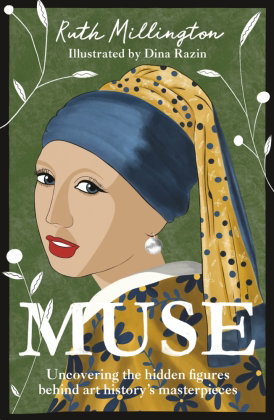
- Verlag: Random House UK
- Autor: Ruth Millington
- Artikel-Nr.: KNV95666412
- ISBN: 9781529110418
'Exhilarating and fascinating' KATY HESSEL | 'Rich and detailed' CHLOË ASHBY | 'Enlightening' TABISH KHAN | 'Sheds light on an uncharted area of art history' JENNY PERY | 'An essential read' EDWARD BROOKE-HITCHING
Meet the unexpected, overlooked and forgotten models of art history.
Who was Picasso's 'Weeping Woman'?
Why was Grace Jones covered in graffiti?
How did Francis Bacon meet the burglar who became his muse?
The perception of the muse is that of a passive, powerless model, at the mercy of an influential and older artist. But is this trope a romanticised myth? Far from posing silently, muses have brought emotional support, intellectual energy, career-changing creativity and practical help to artists.
Muse tells the true stories of the incredible muses who have inspired art history's masterpieces. From Leonardo da Vinci's studio to the covers of Vogue, art historian, critic and writer Ruth Millington uncovers the remarkable role of muses in some of art history's most well-known and significant works. Delving into the real-life relationships that models have held with the artists who immortalised them, it will expose the influential and active part they have played and deconstruct reductive stereotypes, reframing the muse as a momentous and empowered agent of art history.