






Diese Website verwendet Cookies und ähnliche Technologien. Dabei handelt es sich um kleine Textdateien, die auf eurem Computer gespeichert und ausgelesen werden. Indem ihr auf "Alles akzeptieren" klickt, stimmt ihr der Verarbeitung von Daten, der Erstellung und Verarbeitung von individuellen Nutzungsprofilen über Websites und über Partner und Geräte hinweg sowie der Übermittlung eurer Daten an Drittanbieter zu, die eure Daten teilweise in Ländern außerhalb der Europäischen Union verarbeiten (GDPR Art. 49). Einzelheiten hierzu findet ihr in den Datenschutzhinweisen. Die Daten werden für Analysen und für eigene Zwecke Dritter verwendet. Weitere Informationen, auch über die Datenverarbeitung durch Drittanbieter und die Möglichkeit des Widerrufs, findet ihr in den Einstellungen und in unseren Datenschutzhinweisen. Hier könnt ihr mit den notwendigen Tools fortfahren.
- Verlag: Random House UK
- Autor: Maria Gainza
- Artikel-Nr.: KNV95666435
- ISBN: 9781787303249
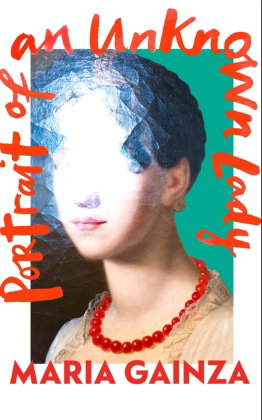
In this dazzling story of art and illusion, secrets and schemes, who is to be trusted - and what is real?
From the internationally acclaimed author of Optic Nerve
*A TLS Book of the Year*
'A writer who feels immediately important' Observer
At a hotel in Buenos Aires, a woman checks in under a pseudonym. She wears a black fur shawl and has no luggage. She is alone.
Over the coming days and nights, she tells a story, which begins with a secret shared in a local bath house, revealing art forgery and fraud on a dazzling scale. At its heart is an enigmatic genius who for years forged portraits of the city's elite, before disappearing without trace. It is a story of influence and intrigue, in which nothing is as it seems. We're not to expect 'names, numbers or dates', she cautions, but a more subtle kind of reckoning...
Told in a mordant, irresistible voice and full of sharp surprises, Portrait of an Unknown Lady is a captivating enquiry into what we mean by 'authenticity', in life as in art. At once poised and capricious, elegant and bold, it is a thrilling exploration of the relationships between what is lived, what is told, what is remembered, and what is real.
Translated from the Spanish by Thomas Bunstead