






Diese Website verwendet Cookies und ähnliche Technologien. Dabei handelt es sich um kleine Textdateien, die auf eurem Computer gespeichert und ausgelesen werden. Indem ihr auf "Alles akzeptieren" klickt, stimmt ihr der Verarbeitung von Daten, der Erstellung und Verarbeitung von individuellen Nutzungsprofilen über Websites und über Partner und Geräte hinweg sowie der Übermittlung eurer Daten an Drittanbieter zu, die eure Daten teilweise in Ländern außerhalb der Europäischen Union verarbeiten (GDPR Art. 49). Einzelheiten hierzu findet ihr in den Datenschutzhinweisen. Die Daten werden für Analysen und für eigene Zwecke Dritter verwendet. Weitere Informationen, auch über die Datenverarbeitung durch Drittanbieter und die Möglichkeit des Widerrufs, findet ihr in den Einstellungen und in unseren Datenschutzhinweisen. Hier könnt ihr mit den notwendigen Tools fortfahren.
- Verlag: Verso
- Autor: Natalie Koch
- Artikel-Nr.: KNV95960725
- ISBN: 9781839763694
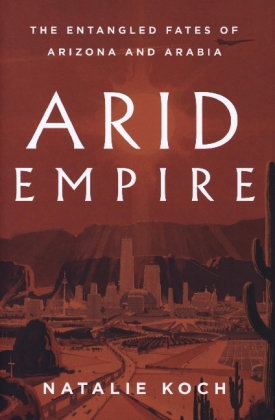
The iconic deserts of the American southwest could not have been colonized and settled without the help of desert experts from the Middle East. For example: In 1856, a caravan of thirty-three camels arrived in Indianola, Texas, led by a Syrian cameleer the Americans called "Hi Jolly." This "camel corps," the US government hoped, could help the army secure the new southwest swath of the country just wrested from Mexico. Though the dream of the camel corps - and sadly, the camels - died, the idea of drawing on expertise, knowledge, and practices from the desert countries of the Middle East did not.
As Natalie Koch demonstrates in this evocative, narrative history, the exchange of colonial technologies between the Arabian Peninsula and United States over the past two centuries - from date palm farming and desert agriculture to the utopian sci-fi dreams of Biosphere 2 and Frank Herbert's Dune - bound the two regions together, solidifying the colonization of the US West and, eventually, the reach of American power into the Middle East. Koch teaches us to see deserts anew, not as mythic sites of romance or empty wastelands but as an "arid empire," a crucial political space where imperial dreams coalesce.