






Diese Website verwendet Cookies und ähnliche Technologien. Dabei handelt es sich um kleine Textdateien, die auf eurem Computer gespeichert und ausgelesen werden. Indem ihr auf "Alles akzeptieren" klickt, stimmt ihr der Verarbeitung von Daten, der Erstellung und Verarbeitung von individuellen Nutzungsprofilen über Websites und über Partner und Geräte hinweg sowie der Übermittlung eurer Daten an Drittanbieter zu, die eure Daten teilweise in Ländern außerhalb der Europäischen Union verarbeiten (GDPR Art. 49). Einzelheiten hierzu findet ihr in den Datenschutzhinweisen. Die Daten werden für Analysen und für eigene Zwecke Dritter verwendet. Weitere Informationen, auch über die Datenverarbeitung durch Drittanbieter und die Möglichkeit des Widerrufs, findet ihr in den Einstellungen und in unseren Datenschutzhinweisen. Hier könnt ihr mit den notwendigen Tools fortfahren.
- Verlag: Verso
- Autor: Nadia Abu El Haj
- Artikel-Nr.: KNV95960687
- ISBN: 9781788738422
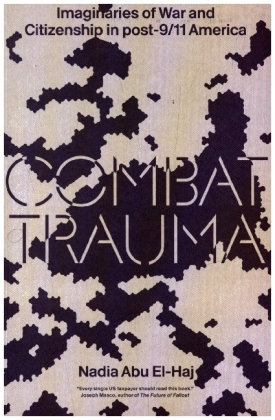
As acclaimed scholar Nadia Abu El-Haj argues here, in the American public's imagination, the traumatized soldier stands in for destructive wars abroad, with decisive ramifications in the post-9/11 era. Across the political spectrum the language of soldier trauma is used to discuss American warfare, producing a narrative in which traumatized soldiers are the only acknowledged casualties of war, while those killed by American firepower are largely sidelined and forgotten.
In this wide-ranging and fascinating study of the meshing of medicine, science, and politics, Abu El-Haj explores the concept of post-traumatic stress disorder and the history of its medical diagnosis. While antiwar Vietnam War veterans sought to address their psychological pain even as they maintained full awareness of their guilt and responsibility for perpetrating atrocities on the killing fields of Vietnam, by the 1980s, a peculiar convergence of feminist activism against sexual violence and Reagan's right-wing "war on crime" transformed the idea of PTSD into a condition of victimhood. In so doing, the meaning of Vietnam veterans' trauma would also shift, moving away from a political space of reckoning with guilt and complicity to one that cast them as blameless victims of a hostile public upon their return home. This is how, in the post-9/11 era of the Wars on Terror, the injunction to "support our troops," came to both sustain US militarism and also shields American civilians from the reality of wars fought ostensibly in their name.
In this compelling and crucial account, Nadia Abu El-Haj challenges us to think anew about the devastations of the post-9/11 era.