






Diese Website verwendet Cookies und ähnliche Technologien. Dabei handelt es sich um kleine Textdateien, die auf eurem Computer gespeichert und ausgelesen werden. Indem ihr auf "Alles akzeptieren" klickt, stimmt ihr der Verarbeitung von Daten, der Erstellung und Verarbeitung von individuellen Nutzungsprofilen über Websites und über Partner und Geräte hinweg sowie der Übermittlung eurer Daten an Drittanbieter zu, die eure Daten teilweise in Ländern außerhalb der Europäischen Union verarbeiten (GDPR Art. 49). Einzelheiten hierzu findet ihr in den Datenschutzhinweisen. Die Daten werden für Analysen und für eigene Zwecke Dritter verwendet. Weitere Informationen, auch über die Datenverarbeitung durch Drittanbieter und die Möglichkeit des Widerrufs, findet ihr in den Einstellungen und in unseren Datenschutzhinweisen. Hier könnt ihr mit den notwendigen Tools fortfahren.
- Verlag: Hatje Cantz Verlag
- Autor: Wietse Coppes
- Artikel-Nr.: KNV96121707
- ISBN: 9783775754002
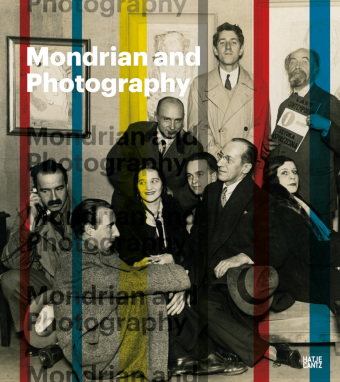
The general public's image of Mondrian is of a serious man in a suit and tie with a reserved, rather aloof look. It is the same group of some ten photographs that shaped this image over time, although there are around 400 known photographs of the artist and his studios that provide a far more balanced and livelier image of Mondrian.This gorgeous book is not a biography, but rather a visual and emotional reference work for anyone who wants to immerse themselves in the world of this extraordinarily modern artist. The studios in Amsterdam, Paris, and New York are works of art themselves, as fascinating as the guests in these rooms. There are snapshots showing his private life, taken during journeys or visits, photographs of vernissages and dinners as well as formal portraits that he uses to promote the image of a serious, uncompromising artist.Detailed captions and richly illustrated essays on the significance of photography in the context of Mondrian's work make this book an extraordinary document of his time.
PIET MONDRIAN (1872-1944) was one of the pioneers of abstract art. Hailing from a strict Calvinist family, the artist became famous for his compositions of black lines and rectangular fields in primary colors, but his early work was influenced by 19th century Dutch landscape painting.