






Diese Website verwendet Cookies und ähnliche Technologien. Dabei handelt es sich um kleine Textdateien, die auf eurem Computer gespeichert und ausgelesen werden. Indem ihr auf "Alles akzeptieren" klickt, stimmt ihr der Verarbeitung von Daten, der Erstellung und Verarbeitung von individuellen Nutzungsprofilen über Websites und über Partner und Geräte hinweg sowie der Übermittlung eurer Daten an Drittanbieter zu, die eure Daten teilweise in Ländern außerhalb der Europäischen Union verarbeiten (GDPR Art. 49). Einzelheiten hierzu findet ihr in den Datenschutzhinweisen. Die Daten werden für Analysen und für eigene Zwecke Dritter verwendet. Weitere Informationen, auch über die Datenverarbeitung durch Drittanbieter und die Möglichkeit des Widerrufs, findet ihr in den Einstellungen und in unseren Datenschutzhinweisen. Hier könnt ihr mit den notwendigen Tools fortfahren.
- Verlag: Penguin Books UK
- Autor: Rosemary Hill
- Artikel-Nr.: KNV96140716
- ISBN: 9780141047096
From the Wolfson Prize-winning author of God's Architect: Pugin and the Building of Romantic Britain
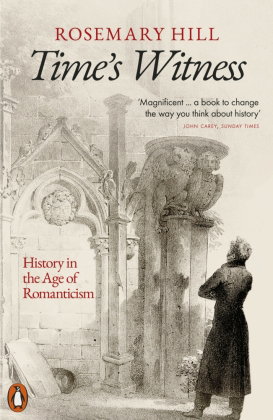
Between the fall of the Bastille in 1789 and the opening of the Great Exhibition in 1851, history changed. The grand narratives of the Enlightenment, concerned with kings and statesmen, gave way to a new interest in the lives of ordinary people. Oral history, costume history, the history of food and furniture, of Gothic architecture, theatre and much else were explored as never before. Antiquarianism, the study of the material remains of the past, was not new, but now hundreds of men - and some women - became antiquaries and set about rediscovering their national history, in Britain, France and Germany.
The Romantic age valued facts, but it also valued imagination and it brought both to the study of history. Among its achievements were the preservation of the Bayeux Tapestry, the analysis and dating of Gothic architecture, and the first publication of Beowulf. It dispelled old myths, and gave us new ones: Shakespeare's birthplace, clan tartans and the arrow in Harold's eye are among their legacies. From scholars to imposters the dozen or so antiquaries at the heart of this book show us history in the making.