






Diese Website verwendet Cookies und ähnliche Technologien. Dabei handelt es sich um kleine Textdateien, die auf eurem Computer gespeichert und ausgelesen werden. Indem ihr auf "Alles akzeptieren" klickt, stimmt ihr der Verarbeitung von Daten, der Erstellung und Verarbeitung von individuellen Nutzungsprofilen über Websites und über Partner und Geräte hinweg sowie der Übermittlung eurer Daten an Drittanbieter zu, die eure Daten teilweise in Ländern außerhalb der Europäischen Union verarbeiten (GDPR Art. 49). Einzelheiten hierzu findet ihr in den Datenschutzhinweisen. Die Daten werden für Analysen und für eigene Zwecke Dritter verwendet. Weitere Informationen, auch über die Datenverarbeitung durch Drittanbieter und die Möglichkeit des Widerrufs, findet ihr in den Einstellungen und in unseren Datenschutzhinweisen. Hier könnt ihr mit den notwendigen Tools fortfahren.
- Verlag: Penguin Random House
- Autor: Elise Hu
- Artikel-Nr.: KNV96168587
- ISBN: 9780593473801
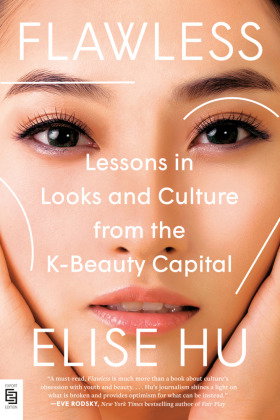
An audacious journalistic exploration of the present and future of beauty through the lens of South Korea's booming "K-beauty" industry and the culture it promotes, by Elise Hu, NPR host-at-large and the host of TED Talks Daily
K-beauty has captured imaginations worldwide by promising a kind of mesmerizing perfection. Its skincare and makeup products creams packaged to look like milkshakes or pandas, and snail mucus face masks, to name a few work together to fascinate us, champion consumerism, and invite us to indulge. In the four years Elise spent in Seoul as NPR s bureau chief, the global K-beauty industry quadrupled. Today it's worth $10 billion and is only getting bigger as it rides the Hallyu wave around the globe.
And fun as self-care consumerism may be, Elise turns her veteran eye to the darker questions lurking beneath the surface of this story. When technology makes it easy to quantify and optimize ourselves from banishing blemishes, to whittling our waistlines, even to shaving down our jaws where do we draw the line? What are the dangers for a society where a flawless face and body are promoted and possible? What are the real financial, physical, and emotional costs of beauty work in a culture that valorizes endless self-improvement and codes it as empowerment?
With rich historical context and deep reporting, including hours of interviews with South Korean women, this is a complex, provocative look at the ways hustle culture has reached into the sinews of our bodies. It raises complicated questions about gender disparity, consumerism, the beauty imperative of an appearance obsessed society, and the undeniable political, economic, and social capital of good looks worldwide. And it points the way toward an alternative vision, one that's more affirming and inclusive than a beauty culture led by industry.