






Diese Website verwendet Cookies und ähnliche Technologien. Dabei handelt es sich um kleine Textdateien, die auf eurem Computer gespeichert und ausgelesen werden. Indem ihr auf "Alles akzeptieren" klickt, stimmt ihr der Verarbeitung von Daten, der Erstellung und Verarbeitung von individuellen Nutzungsprofilen über Websites und über Partner und Geräte hinweg sowie der Übermittlung eurer Daten an Drittanbieter zu, die eure Daten teilweise in Ländern außerhalb der Europäischen Union verarbeiten (GDPR Art. 49). Einzelheiten hierzu findet ihr in den Datenschutzhinweisen. Die Daten werden für Analysen und für eigene Zwecke Dritter verwendet. Weitere Informationen, auch über die Datenverarbeitung durch Drittanbieter und die Möglichkeit des Widerrufs, findet ihr in den Einstellungen und in unseren Datenschutzhinweisen. Hier könnt ihr mit den notwendigen Tools fortfahren.
- Verlag: Bloomsbury Trade
- Autor: Jon Lewis
- Artikel-Nr.: KNV95915225
- ISBN: 9781839023262
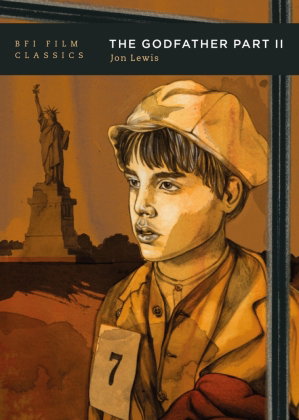
Francis Ford Coppola's The Godfather, Part II (1974) is a magisterial cinematic work, a gorgeous, stylized, auteur epic, and one of the few sequels judged by many to be greater than its predecessor. This despite the fact that it consists largely of meetings between aspiring 'Godfather' Michael Corleone and fellow gangsters, politicians and family members. The meetings remind us that the modern gangster's success is built upon inside information and on strategic planning. Michael and his father Vito's days resemble those of the legitimate businessmen they aspire or pretend to be.
Jon Lewis's study of Coppola's masterpiece provides a close analysis of the film and a discussion of its cinematic and political contexts. It is structured in three sections: "The Sequel," "The Dissolve," and "The Sicilian Thing" - accommodating three avenues of inquiry, respectively: the film's importance in and to Hollywood history, its unique, auteur style and form; and its cultural significance. Of interest, then, is New Hollywood history, mise-en-scene, and a view of the Corleone saga as a cautionary capitalist parable, as a metaphor of the corruption of American power, post-Vietnam, post-Watergate.