






Diese Website verwendet Cookies und ähnliche Technologien. Dabei handelt es sich um kleine Textdateien, die auf eurem Computer gespeichert und ausgelesen werden. Indem ihr auf "Alles akzeptieren" klickt, stimmt ihr der Verarbeitung von Daten, der Erstellung und Verarbeitung von individuellen Nutzungsprofilen über Websites und über Partner und Geräte hinweg sowie der Übermittlung eurer Daten an Drittanbieter zu, die eure Daten teilweise in Ländern außerhalb der Europäischen Union verarbeiten (GDPR Art. 49). Einzelheiten hierzu findet ihr in den Datenschutzhinweisen. Die Daten werden für Analysen und für eigene Zwecke Dritter verwendet. Weitere Informationen, auch über die Datenverarbeitung durch Drittanbieter und die Möglichkeit des Widerrufs, findet ihr in den Einstellungen und in unseren Datenschutzhinweisen. Hier könnt ihr mit den notwendigen Tools fortfahren.
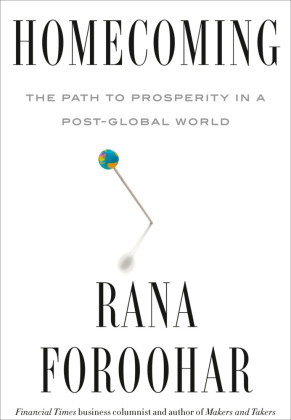
- Verlag: Penguin Random House
- Autor: Rana Foroohar
- Artikel-Nr.: KNV95914880
- ISBN: 9780593444382
This invaluable book is as bold in its ambitions as it is readable. Ian Bremmer, New York Times bestselling author of The Power of Crisis
ONE OF THE BEST BOOKS OF THE YEAR: Kirkus Reviews
At the dawn of the twenty-first century, Thomas Friedman, in The World Is Flat, declared globalization the new economic order. But the reign of globalization as we ve known it is over, argues Financial Times columnist and CNN analyst Rana Foroohar, and the rise of local, regional, and homegrown business is now at hand.
With bare supermarket shelves and the shortage of PPE, the pandemic brought the fragility of global trade and supply chains into stark relief. The tragic war in Ukraine and the political and economic chaos that followed have further underlined the vulnerabilities of globalization. The world, it turns out, isn t flat in fact, it s quite bumpy.
This fragmentation has been coming for decades, observes Foroohar. Our neoliberal economic philosophy of prioritizing efficiency over resilience and profits over local prosperity has produced massive inequality, persistent economic insecurity, and distrust in our institutions. This philosophy, which underpinned the last half century of globalization, has run its course. Place-based economics and a wave of technological innovations now make it possible to keep operations, investment, and wealth closer to home, wherever that may be.
With the pendulum of history swinging back, Homecoming explores both the challenges and the possibilities of this new era, and how it can usher in a more equitable and prosperous future.