






Diese Website verwendet Cookies und ähnliche Technologien. Dabei handelt es sich um kleine Textdateien, die auf eurem Computer gespeichert und ausgelesen werden. Indem ihr auf "Alles akzeptieren" klickt, stimmt ihr der Verarbeitung von Daten, der Erstellung und Verarbeitung von individuellen Nutzungsprofilen über Websites und über Partner und Geräte hinweg sowie der Übermittlung eurer Daten an Drittanbieter zu, die eure Daten teilweise in Ländern außerhalb der Europäischen Union verarbeiten (GDPR Art. 49). Einzelheiten hierzu findet ihr in den Datenschutzhinweisen. Die Daten werden für Analysen und für eigene Zwecke Dritter verwendet. Weitere Informationen, auch über die Datenverarbeitung durch Drittanbieter und die Möglichkeit des Widerrufs, findet ihr in den Einstellungen und in unseren Datenschutzhinweisen. Hier könnt ihr mit den notwendigen Tools fortfahren.
- Verlag: Wiley & Sons
- Autor: Joaquín Jareño-Alarcón
- Artikel-Nr.: KNV96256348
- ISBN: 9781394162888
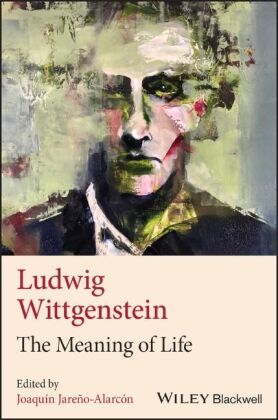
Widely considered one of the greatest philosophers of the twentieth century, Ludwig Wittgenstein was deeply interested in the significance of religion and ethics. Although he did not systematically examine religion and the meaning of life in his major published works, Wittgenstein professed that he would at times explore fundamental issues from a religious perspective.
Ludwig Wittgenstein: The Meaning of Life is the first compilation of private letters, remarks, and notes regarding Wittgenstein's thoughts and attitudes on ethics, religion, goodness, value, and moral action. With an academic approach, author Joaquín Jareño Alarcón reveals the significance of religion and ethics in Wittgenstein's personal experience, corroborates the permanent tension between Wittgenstein and religion, highlights Wittgenstein's preoccupation with the basic questions addressed by religious discourse, and more. Chronologically organized texts are accompanied by detailed commentary to illustrate how Wittgenstein's interests in religion and ethics were reflected throughout his personal and intellectual evolution.
* Articulates Wittgenstein's ethical point of view on religion
* Features a wide range of primary sources, such as personal commentaries, annotations, lecture notes, and diary entries
* Includes testimony of friends, students, and others with close ties to Wittgenstein
* Presents a balanced view of what Wittgenstein wrote and the recollections of others in his circle
* Discusses how the principal intention of Tractatus is to demonstrate the relevance of matters concerning religion and the meaning of life
Ludwig Wittgenstein: The Meaning of Life is essential reading for postgraduate and senior researchers, as well as advanced philosophy students and non-specialists interested in Wittgenstein's more humanistic writings and his engagement with religion and ethics.