






Diese Website verwendet Cookies und ähnliche Technologien. Dabei handelt es sich um kleine Textdateien, die auf eurem Computer gespeichert und ausgelesen werden. Indem ihr auf "Alles akzeptieren" klickt, stimmt ihr der Verarbeitung von Daten, der Erstellung und Verarbeitung von individuellen Nutzungsprofilen über Websites und über Partner und Geräte hinweg sowie der Übermittlung eurer Daten an Drittanbieter zu, die eure Daten teilweise in Ländern außerhalb der Europäischen Union verarbeiten (GDPR Art. 49). Einzelheiten hierzu findet ihr in den Datenschutzhinweisen. Die Daten werden für Analysen und für eigene Zwecke Dritter verwendet. Weitere Informationen, auch über die Datenverarbeitung durch Drittanbieter und die Möglichkeit des Widerrufs, findet ihr in den Einstellungen und in unseren Datenschutzhinweisen. Hier könnt ihr mit den notwendigen Tools fortfahren.
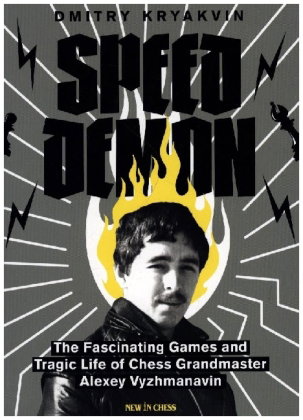
- Verlag: New in Chess
- Autor: Dmitry Kryakvin
- Artikel-Nr.: KNV96309842
- ISBN: 9789493257818
The best chance to bump into Vyzhmanavin in the 1980s and early 1990s was in Sokolniki park in Moscow, playing blitz. You could meet him at the 1992 Chess Olympiad as a member of the winning Russian team. Or in the finals of the PCA rapid events of the 1990s, frequently outplaying his illustrious opponents with his fluent and enterprising style. In Moscow in 1994, he reached the semi-final, narrowly losing out to Vladimir Kramnik, having already beaten Alexei Shirov and Viktor Korchnoi. Commentating at a PCA event, Maurice Ashley described Vyzhmanavin in predatory terms: Hes a dangerous one, looking like a cat, ready to pounce.
For this book, grandmaster Dmitry Kryakvin has talked to dozens of people, enabling him to give a complete picture of Vyzhmanavins life. The result is a mix of fascinating chess, wonderful anecdotes, and some heartbreaking episodes. The stories are complemented by the memories of Vyzmanavins ex-wife Lyudmila. They revive his successes but also reveal the dark side of this forgotten chess genius who battled with depression and the green serpent, a Russian euphemism for alcoholism. He died in January 2000 at the age of forty, in circumstances that remain unclear. The stories and games in this book are his legacy.