






Diese Website verwendet Cookies und ähnliche Technologien. Dabei handelt es sich um kleine Textdateien, die auf eurem Computer gespeichert und ausgelesen werden. Indem ihr auf "Alles akzeptieren" klickt, stimmt ihr der Verarbeitung von Daten, der Erstellung und Verarbeitung von individuellen Nutzungsprofilen über Websites und über Partner und Geräte hinweg sowie der Übermittlung eurer Daten an Drittanbieter zu, die eure Daten teilweise in Ländern außerhalb der Europäischen Union verarbeiten (GDPR Art. 49). Einzelheiten hierzu findet ihr in den Datenschutzhinweisen. Die Daten werden für Analysen und für eigene Zwecke Dritter verwendet. Weitere Informationen, auch über die Datenverarbeitung durch Drittanbieter und die Möglichkeit des Widerrufs, findet ihr in den Einstellungen und in unseren Datenschutzhinweisen. Hier könnt ihr mit den notwendigen Tools fortfahren.
- Verlag: Oxford University Press
- Autor: H. P. Lovecraft
- Artikel-Nr.: KNV59608484
- ISBN: 9780198759492
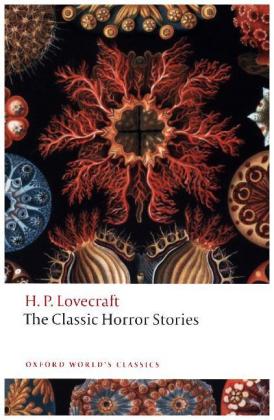
H. P. Lovecraft (1890-1937) was a reclusive scribbler of horror stories for the American pulp magazines that specialized in Gothic and science fiction in the interwar years. He often published in Weird Tales and has since become the key figure in the slippery genre of 'weird fiction'. Lovecraft developed an extraordinary vision of feeble men driven to the edge of sanity by glimpses of malign beings that have survived from human prehistory or by malevolent extra-terrestrial visitations. The ornate language of his stories builds towards grotesque moments of revelation, quite unlike any other writer.
This new selection brings together nine of his classic tales, focusing on the 'Cthulhu Mythos', a cycle of stories that develops the mythology of the Old Ones, the monstrous creatures who predate human life on earth. It includes the Introduction from Lovecraft's critical essay, 'Supernatural Horror in Literature', in which he gave his own important definition of 'weird fiction'. In a fascinating contextual introduction, Roger Luckhurst gives Lovecraft the attention he deserves as a writer who used pulp fiction to explore a remarkable philosophy that shockingly dethrones the mastery of man.