






Diese Website verwendet Cookies und ähnliche Technologien. Dabei handelt es sich um kleine Textdateien, die auf eurem Computer gespeichert und ausgelesen werden. Indem ihr auf "Alles akzeptieren" klickt, stimmt ihr der Verarbeitung von Daten, der Erstellung und Verarbeitung von individuellen Nutzungsprofilen über Websites und über Partner und Geräte hinweg sowie der Übermittlung eurer Daten an Drittanbieter zu, die eure Daten teilweise in Ländern außerhalb der Europäischen Union verarbeiten (GDPR Art. 49). Einzelheiten hierzu findet ihr in den Datenschutzhinweisen. Die Daten werden für Analysen und für eigene Zwecke Dritter verwendet. Weitere Informationen, auch über die Datenverarbeitung durch Drittanbieter und die Möglichkeit des Widerrufs, findet ihr in den Einstellungen und in unseren Datenschutzhinweisen. Hier könnt ihr mit den notwendigen Tools fortfahren.
- Verlag: Elsevier Science & Technology
- Autor: Bhagirath Chauhan
- Artikel-Nr.: KNV96379881
- ISBN: 9780128229170
Weeds are the main biological constraint to crop production throughout the year. Uncontrolled weeds could cause 100% yield loss. In Australia, the overall cost of weeds to Australian grain growers was estimated at AU$ 3.3 billion annually. In terms of yield losses, weeds amounted to 2.7 million tonnes of grains at a national level. In the USA, weeds cost US$ 33 billion in lost crop production annually. In India, these costs were estimated to be much higher (US$ 11 billion). These studies from different economies suggest that weeds cause substantial yield and economic loss.
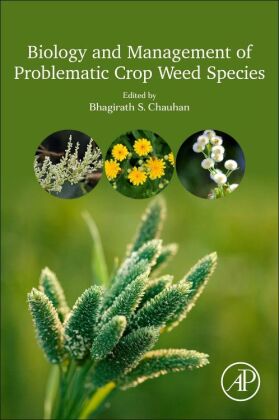
Biology and Management of Problematic Weed Species details the biology of key weed species, providing vital information on seed germination and production, as well as factors affecting weed growth. These species include Chenopodium album, Chloris truncata and C. virgate, Conyza bonariensis and C. canadensis, Cyperus rotundus, and many more. This information is crucial for researchers and growers to develop integrated weed management (IWM) strategies.
Written by leading experts across the globe, this book is an essential read to plant biologists and ecologists, crop scientists, and students and researchers interested in weed science.