






Diese Website verwendet Cookies und ähnliche Technologien. Dabei handelt es sich um kleine Textdateien, die auf eurem Computer gespeichert und ausgelesen werden. Indem ihr auf "Alles akzeptieren" klickt, stimmt ihr der Verarbeitung von Daten, der Erstellung und Verarbeitung von individuellen Nutzungsprofilen über Websites und über Partner und Geräte hinweg sowie der Übermittlung eurer Daten an Drittanbieter zu, die eure Daten teilweise in Ländern außerhalb der Europäischen Union verarbeiten (GDPR Art. 49). Einzelheiten hierzu findet ihr in den Datenschutzhinweisen. Die Daten werden für Analysen und für eigene Zwecke Dritter verwendet. Weitere Informationen, auch über die Datenverarbeitung durch Drittanbieter und die Möglichkeit des Widerrufs, findet ihr in den Einstellungen und in unseren Datenschutzhinweisen. Hier könnt ihr mit den notwendigen Tools fortfahren.
- Verlag: Taylor & Francis
- Autor: Andrew J. Hampton
- Artikel-Nr.: KNV96361113
- ISBN: 9780367467678
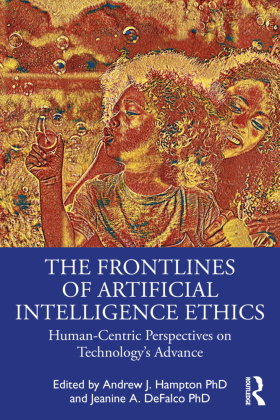
This foundational text examines the intersection of AI, psychology, and ethics, laying the groundwork for the importance of ethical considerations in the design and implementation of technologically supported education, decision support, and leadership training.
AI already affects our lives profoundly, in ways both mundane and sensational, obvious and opaque. Much academic and industrial effort has considered the implications of this AI revolution from technical and economic perspectives, but the more personal, humanistic impact of these changes has often been relegated to anecdotal evidence in service to a broader frame of reference. Offering a unique perspective on the emerging social relationships between people and AI agents and systems, Hampton and DeFalco present cutting-edge research from leading academics, professionals, and policy standards advocates on the psychological impact of the AI revolution. Structured into three parts, the book explores the history of data science, technology in education, and combatting machine learning bias, as well as future directions for the emerging field, bringing the research into the active consideration of those in positions of authority.
Exploring how AI can support expert, creative, and ethical decision making in both people and virtual human agents, this is essential reading for students, researchers, and professionals in AI, psychology, ethics, engineering education, and leadership, particularly military leadership.