






Diese Website verwendet Cookies und ähnliche Technologien. Dabei handelt es sich um kleine Textdateien, die auf eurem Computer gespeichert und ausgelesen werden. Indem ihr auf "Alles akzeptieren" klickt, stimmt ihr der Verarbeitung von Daten, der Erstellung und Verarbeitung von individuellen Nutzungsprofilen über Websites und über Partner und Geräte hinweg sowie der Übermittlung eurer Daten an Drittanbieter zu, die eure Daten teilweise in Ländern außerhalb der Europäischen Union verarbeiten (GDPR Art. 49). Einzelheiten hierzu findet ihr in den Datenschutzhinweisen. Die Daten werden für Analysen und für eigene Zwecke Dritter verwendet. Weitere Informationen, auch über die Datenverarbeitung durch Drittanbieter und die Möglichkeit des Widerrufs, findet ihr in den Einstellungen und in unseren Datenschutzhinweisen. Hier könnt ihr mit den notwendigen Tools fortfahren.
- Verlag: Taylor & Francis
- Autor: Ian Donald
- Artikel-Nr.: KNV96361767
- ISBN: 9780367223687
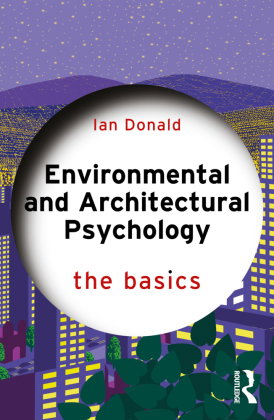
Environmental and Architectural Psychology: The Basics is a jargon-free and accessible introduction to the relationship between people and their natural and built environment.
Exploring everything from the effectiveness of open plan offices to how people respond to life-threatening disasters, the book addresses issues around sustainability, climate change, and behaviour, and is grounded in theory and ideas drawn from psychology, geography, and architecture. Author Ian Donald introduces both the theoretical underpinnings and the applications of environment-behaviour research to solving real world problems, encouraging readers to reflect on the role of design and policy in shaping the environments in which they live and work. With chapters considering the impact of environment on identity, wellbeing, crime, and spatial behaviour, Donald shows us not only how people shape and affect the environment, but also in turn how the environment shapes and affects people's thoughts, feelings, and behaviours.
Addressing some of the most important questions of our time, including how behaviour drives climate change, and what we can do about it, this is the ideal book for anyone interested in the interactions between architecture, the environment, and psychology.