






Diese Website verwendet Cookies und ähnliche Technologien. Dabei handelt es sich um kleine Textdateien, die auf eurem Computer gespeichert und ausgelesen werden. Indem ihr auf "Alles akzeptieren" klickt, stimmt ihr der Verarbeitung von Daten, der Erstellung und Verarbeitung von individuellen Nutzungsprofilen über Websites und über Partner und Geräte hinweg sowie der Übermittlung eurer Daten an Drittanbieter zu, die eure Daten teilweise in Ländern außerhalb der Europäischen Union verarbeiten (GDPR Art. 49). Einzelheiten hierzu findet ihr in den Datenschutzhinweisen. Die Daten werden für Analysen und für eigene Zwecke Dritter verwendet. Weitere Informationen, auch über die Datenverarbeitung durch Drittanbieter und die Möglichkeit des Widerrufs, findet ihr in den Einstellungen und in unseren Datenschutzhinweisen. Hier könnt ihr mit den notwendigen Tools fortfahren.
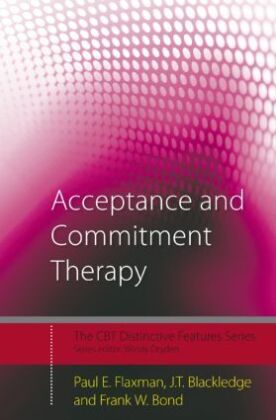
- Verlag: Taylor & Francis
- Autor: Paul E. Flaxman
- Artikel-Nr.: KNV96362377
- ISBN: 9780415450669
What are the distinctive theoretical and practical features of acceptance and commitment therapy?
Acceptance and commitment therapy (ACT) is a modern behaviour therapy that uses acceptance and mindfulness interventions alongside commitment and behaviour change strategies to enhance psychological flexibility. Psychological flexibility refers to the ability to contact the present moment and change or persist in behaviour that serves one's personally chosen values.
Divided into two sections, The Distinctive Theoretical Features of ACT and The Distinctive Practical Features of ACT, this book summarises the key features of ACT in 30 concise points and explains how this approach differs from traditional cognitive behaviour therapy.
Acceptance and Commitment Therapy provides an excellent guide to ACT. Its straightforward format will appeal to those who are new to the field and provide a handy reference tool for more experienced clinicians.