






Diese Website verwendet Cookies und ähnliche Technologien. Dabei handelt es sich um kleine Textdateien, die auf eurem Computer gespeichert und ausgelesen werden. Indem ihr auf "Alles akzeptieren" klickt, stimmt ihr der Verarbeitung von Daten, der Erstellung und Verarbeitung von individuellen Nutzungsprofilen über Websites und über Partner und Geräte hinweg sowie der Übermittlung eurer Daten an Drittanbieter zu, die eure Daten teilweise in Ländern außerhalb der Europäischen Union verarbeiten (GDPR Art. 49). Einzelheiten hierzu findet ihr in den Datenschutzhinweisen. Die Daten werden für Analysen und für eigene Zwecke Dritter verwendet. Weitere Informationen, auch über die Datenverarbeitung durch Drittanbieter und die Möglichkeit des Widerrufs, findet ihr in den Einstellungen und in unseren Datenschutzhinweisen. Hier könnt ihr mit den notwendigen Tools fortfahren.
- Verlag: Taylor & Francis
- Autor: James Randall
- Artikel-Nr.: KNV96362885
- ISBN: 9781138368897
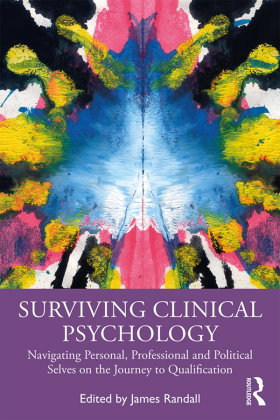
This vital new book navigates the personal, professional and political selves on the journey to training in clinical psychology. Readers will be able to explore a range of ways to enrich their practice through a focus on identities and differences, relationships and power within organisations, supervisory contexts, therapeutic conventions and community approaches.
This book includes a rich exploration of how we make sense of personal experiences as practitioners, including chapters on self-formulation, personal therapy, and using services. Through critical discussion, practice examples, shared accounts and exercises, individuals are invited to reflect on a range of topical issues in clinical psychology. Voices often marginalised within the profession write side-by-side with those more established in the field, offering a unique perspective on the issues faced in navigating clinical training and the profession more broadly. In coming together, the authors of this book explore what clinical psychology can become.
Surviving Clinical Psychology invites those early on in their careers to link 'the political' to personal and professional development in a way that is creative, critical and values-based, and will be of interest to pre-qualified psychologists and researchers, and those mentoring early-career practitioners.