






Diese Website verwendet Cookies und ähnliche Technologien. Dabei handelt es sich um kleine Textdateien, die auf eurem Computer gespeichert und ausgelesen werden. Indem ihr auf "Alles akzeptieren" klickt, stimmt ihr der Verarbeitung von Daten, der Erstellung und Verarbeitung von individuellen Nutzungsprofilen über Websites und über Partner und Geräte hinweg sowie der Übermittlung eurer Daten an Drittanbieter zu, die eure Daten teilweise in Ländern außerhalb der Europäischen Union verarbeiten (GDPR Art. 49). Einzelheiten hierzu findet ihr in den Datenschutzhinweisen. Die Daten werden für Analysen und für eigene Zwecke Dritter verwendet. Weitere Informationen, auch über die Datenverarbeitung durch Drittanbieter und die Möglichkeit des Widerrufs, findet ihr in den Einstellungen und in unseren Datenschutzhinweisen. Hier könnt ihr mit den notwendigen Tools fortfahren.
- Verlag: Taylor & Francis
- Autor: Aiden Warren
- Artikel-Nr.: KNV96363762
- ISBN: 9781032336954
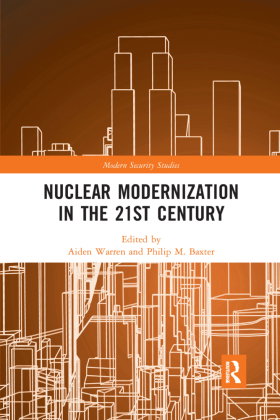
This collection examines the extent to which nuclear weapons modernization has become a significant point of concern and consideration in international security. Recent statements and substantial investments by nuclear weapon possessor states in the upkeep and modernization of their nuclear postures - particularly the United States, Russia and China - illustrate a return of primacy and the salience of nuclear forces in international politics. The upgrading of systems, the introduction of new capabilities, the intermingling of new technologies, and the advancement of new strategic models, are all indicative of their elevation in importance and reliance.
With contributions from leading thinkers in the nuclear weapons domain, this book elucidates the global strategic and policy implications such modernization efforts by the above-mentioned states will have on international security. In unpacking and conceptualizing this developing source of potential (in)security and tension, the collection not only provides a technical context, but also frames the likely effects modernization could have on the relations between these nuclear weapon powers and the larger impact upon efforts to curb nuclear weapons - both in terms of horizontal and vertical proliferation. The chapters have been arranged so as to inform a variety of stakeholders, from academics to policy-makers, by connecting analytical and normative insights, and thereby, advancing debates pertaining to where nuclear modernization sits as a point of global security consternation in the 21st century.