






Diese Website verwendet Cookies und ähnliche Technologien. Dabei handelt es sich um kleine Textdateien, die auf eurem Computer gespeichert und ausgelesen werden. Indem ihr auf "Alles akzeptieren" klickt, stimmt ihr der Verarbeitung von Daten, der Erstellung und Verarbeitung von individuellen Nutzungsprofilen über Websites und über Partner und Geräte hinweg sowie der Übermittlung eurer Daten an Drittanbieter zu, die eure Daten teilweise in Ländern außerhalb der Europäischen Union verarbeiten (GDPR Art. 49). Einzelheiten hierzu findet ihr in den Datenschutzhinweisen. Die Daten werden für Analysen und für eigene Zwecke Dritter verwendet. Weitere Informationen, auch über die Datenverarbeitung durch Drittanbieter und die Möglichkeit des Widerrufs, findet ihr in den Einstellungen und in unseren Datenschutzhinweisen. Hier könnt ihr mit den notwendigen Tools fortfahren.
- Verlag: Taylor & Francis
- Autor: Jon Bailey
- Artikel-Nr.: KNV96363351
- ISBN: 9780367750848
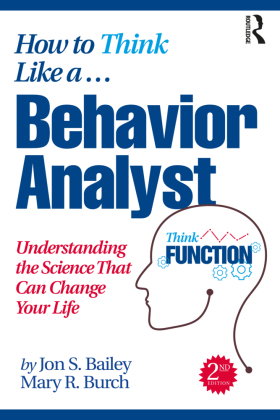
How to Think Like a Behavior Analyst is a revolutionary resource for understanding complex human behavior and making potentially significant quality-of-life improvements.
Practical and clearly written, this second edition addresses basic questions like how behavior analysts work, why specific methods and procedures are used, what alternative "fad" treatments are, and more. The updated text answers 70 frequently asked questions about behavior analysis using an accessible question-and-answer format. Each question now includes a Quick Take, which is a simple and easy-to-read answer to the question, and then a more in-depth Technically Speaking answer that is more challenging. A brand-new chapter discusses ways of advancing one's career in the field and how to go to graduate school and become board certified.
This text is written for all professionals concerned with behavior, including undergraduate students in psychology and behavior analysis, parents, teachers, employers, and employees. The book can easily be used as a supplement to primary texts in introductory psychology courses, and the exercises that follow each question can be used to stimulate lively discussion in role-play and other active learning situations.