






Diese Website verwendet Cookies und ähnliche Technologien. Dabei handelt es sich um kleine Textdateien, die auf eurem Computer gespeichert und ausgelesen werden. Indem ihr auf "Alles akzeptieren" klickt, stimmt ihr der Verarbeitung von Daten, der Erstellung und Verarbeitung von individuellen Nutzungsprofilen über Websites und über Partner und Geräte hinweg sowie der Übermittlung eurer Daten an Drittanbieter zu, die eure Daten teilweise in Ländern außerhalb der Europäischen Union verarbeiten (GDPR Art. 49). Einzelheiten hierzu findet ihr in den Datenschutzhinweisen. Die Daten werden für Analysen und für eigene Zwecke Dritter verwendet. Weitere Informationen, auch über die Datenverarbeitung durch Drittanbieter und die Möglichkeit des Widerrufs, findet ihr in den Einstellungen und in unseren Datenschutzhinweisen. Hier könnt ihr mit den notwendigen Tools fortfahren.
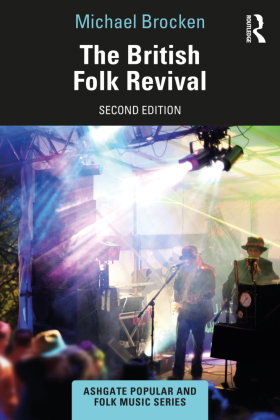
- Verlag: Taylor & Francis
- Autor: Michael Brocken
- Artikel-Nr.: KNV96363921
- ISBN: 9780367766870
Almost 20 years ago Michael Brocken created from his doctoral research, what became both a seminal and contested volume concerning the social mores surrounding the British Folk Revival up to that point in time: The British Folk Revival 1944-2002. In this long-overdue second edition he revisits not only his own research, but also that of others from the 1990s and early 21st century. He then considers how a discourse of folkloric authenticity emerged in the closing years of the 19th century and how a worrying nationalistic immanence came to surround folk music and dance during the inter-war years. Brocken also proposes that the media: records, radio and TV in post-WWII folk revivalism can offer us important insights into how self-directed learning of the folk guitar emerged.
Brocken moves on to consider the business structures of the contemporary folk scene and how relationships are formed between contemporary folk business and the digital and social media spheres. In his penultimate chapter he discusses the masculinisation of folk traditions and asks important questions about how our folk traditions are carried and are authorised. In the final chapter he also considers the rise of an exciting new folk live music built environment.