






Diese Website verwendet Cookies und ähnliche Technologien. Dabei handelt es sich um kleine Textdateien, die auf eurem Computer gespeichert und ausgelesen werden. Indem ihr auf "Alles akzeptieren" klickt, stimmt ihr der Verarbeitung von Daten, der Erstellung und Verarbeitung von individuellen Nutzungsprofilen über Websites und über Partner und Geräte hinweg sowie der Übermittlung eurer Daten an Drittanbieter zu, die eure Daten teilweise in Ländern außerhalb der Europäischen Union verarbeiten (GDPR Art. 49). Einzelheiten hierzu findet ihr in den Datenschutzhinweisen. Die Daten werden für Analysen und für eigene Zwecke Dritter verwendet. Weitere Informationen, auch über die Datenverarbeitung durch Drittanbieter und die Möglichkeit des Widerrufs, findet ihr in den Einstellungen und in unseren Datenschutzhinweisen. Hier könnt ihr mit den notwendigen Tools fortfahren.
- Verlag: Taylor & Francis
- Autor: Clare Rosoman
- Artikel-Nr.: KNV96360253
- ISBN: 9781032205618
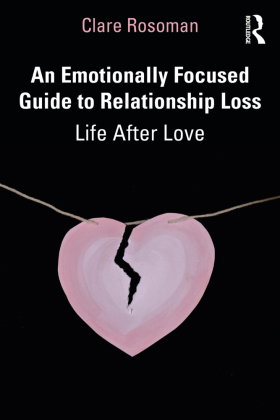
By viewing romantic love as an attachment bond, Clare Rosoman incorporates emotionally focused therapy (EFT) and attachment theory to provide evidence-based tools in navigating close relationships and managing the pain of relationship loss.
Beginning with a foreword from Veronica Kallos-Lilly, this book firstly explores how attachment themes show up in relationship dynamics, creating either security or insecurity, before looking at how relationships go wrong. Chapters then focus on creating a new narrative for this loss of connection, helping readers learn about their own attachment strategies and how to work through pain, anger, and grief. The last part focuses on helping readers learn how to forgive, let go, build security within themselves, and implement these strategies in future relationships.
Addressing all forms of relationships, including family and friendship losses, LGBTQ+ couples, and references to cultural humility, this accessible and empathetic guide is written for both therapists and their clients to help them learn from their experiences and build the ability to be a resource for themselves. It is essential reading for EFT therapists as well as couple, marriage, and family therapists.