






Diese Website verwendet Cookies und ähnliche Technologien. Dabei handelt es sich um kleine Textdateien, die auf eurem Computer gespeichert und ausgelesen werden. Indem ihr auf "Alles akzeptieren" klickt, stimmt ihr der Verarbeitung von Daten, der Erstellung und Verarbeitung von individuellen Nutzungsprofilen über Websites und über Partner und Geräte hinweg sowie der Übermittlung eurer Daten an Drittanbieter zu, die eure Daten teilweise in Ländern außerhalb der Europäischen Union verarbeiten (GDPR Art. 49). Einzelheiten hierzu findet ihr in den Datenschutzhinweisen. Die Daten werden für Analysen und für eigene Zwecke Dritter verwendet. Weitere Informationen, auch über die Datenverarbeitung durch Drittanbieter und die Möglichkeit des Widerrufs, findet ihr in den Einstellungen und in unseren Datenschutzhinweisen. Hier könnt ihr mit den notwendigen Tools fortfahren.
- Verlag: Taylor & Francis
- Autor: Joan Pennell
- Artikel-Nr.: KNV96360227
- ISBN: 9780367612665
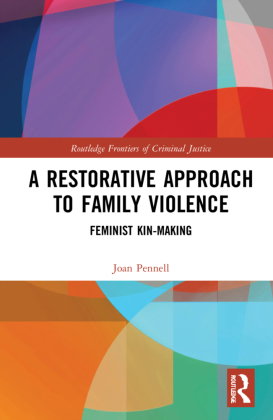
A Restorative Approach to Family Violence looks back at an early and successful demonstration of a family and culturally based model to stop severe family violence. This conferencing model, called family group decision making, was applied by three diverse Canadian communities-Inuit, rural, and urban-to the benefit of child and adult family members. Narrative inquiry identifies how engaging the family and relatives resets the narrative from misrecognition to recognition of their competence and caring.
Family violence poses some of the most long-term and controversial questions in restorative justice. Should we use a restorative approach to stop gendered and intergenerational harm? Or will bringing together those who have been harmed, those causing harm, and their supporters only incite more violence? Underlying these questions is a profound distrust of families and their cultural networks. This distrust has stalled turning away from carceral interventions that particularly harm minoritized communities.
Moving forward in time, the volume identifies blocks to trusting families and their cultural networks and means of circumventing these blocks. The book offers a theory of feminist kin-making to comprehend the restorative process and gives practical guidance to restorative participants, practitioners, policy makers, and researchers.