






Diese Website verwendet Cookies und ähnliche Technologien. Dabei handelt es sich um kleine Textdateien, die auf eurem Computer gespeichert und ausgelesen werden. Indem ihr auf "Alles akzeptieren" klickt, stimmt ihr der Verarbeitung von Daten, der Erstellung und Verarbeitung von individuellen Nutzungsprofilen über Websites und über Partner und Geräte hinweg sowie der Übermittlung eurer Daten an Drittanbieter zu, die eure Daten teilweise in Ländern außerhalb der Europäischen Union verarbeiten (GDPR Art. 49). Einzelheiten hierzu findet ihr in den Datenschutzhinweisen. Die Daten werden für Analysen und für eigene Zwecke Dritter verwendet. Weitere Informationen, auch über die Datenverarbeitung durch Drittanbieter und die Möglichkeit des Widerrufs, findet ihr in den Einstellungen und in unseren Datenschutzhinweisen. Hier könnt ihr mit den notwendigen Tools fortfahren.
- Verlag: Taylor & Francis
- Autor: Omi Hodwitz
- Artikel-Nr.: KNV96360821
- ISBN: 9781032055350
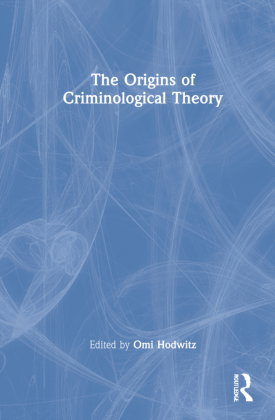
The Origins of Criminological Theory offers a new sort of theory textbook, both in content and concept. Whereas other texts offer a mainly twentieth century account of criminological theory, this book looks further back, tracing the development of our understanding of crime and deviance throughout the ages, from Ancient Greece right through to the dawn of the rehabilitation ideal. The central objective of this book is to inform readers of the significant role the past has played in our contemporary theories of crime. Core content includes:
- Justice in Ancient Greece
- The Dark Ages and innocence
- The Age of Enlightenment and human nature
- The Classical School and Utilitarianism
- The medicalization of crime
- Biological positivism
- The birth of rehabilitation
In addition to providing a unique approach, the book also has unique authorship. Each chapter is written by an incarcerated author housed at a men's medium and maximum-security prison in the US. The writers are supported by one or more co-authors: university students who carry out the research for each chapter. This book therefore offers a new way of thinking about theory and makes a significant contribution to convict criminology. It will be of interest to those taking courses in criminological theory, and to programmes such as Inside Out in the US, and the Prison-University Partnerships Network in the UK.