






Diese Website verwendet Cookies und ähnliche Technologien. Dabei handelt es sich um kleine Textdateien, die auf eurem Computer gespeichert und ausgelesen werden. Indem ihr auf "Alles akzeptieren" klickt, stimmt ihr der Verarbeitung von Daten, der Erstellung und Verarbeitung von individuellen Nutzungsprofilen über Websites und über Partner und Geräte hinweg sowie der Übermittlung eurer Daten an Drittanbieter zu, die eure Daten teilweise in Ländern außerhalb der Europäischen Union verarbeiten (GDPR Art. 49). Einzelheiten hierzu findet ihr in den Datenschutzhinweisen. Die Daten werden für Analysen und für eigene Zwecke Dritter verwendet. Weitere Informationen, auch über die Datenverarbeitung durch Drittanbieter und die Möglichkeit des Widerrufs, findet ihr in den Einstellungen und in unseren Datenschutzhinweisen. Hier könnt ihr mit den notwendigen Tools fortfahren.
- Verlag: Taylor & Francis
- Autor: Ruella Frank
- Artikel-Nr.: KNV96364449
- ISBN: 9781032210087
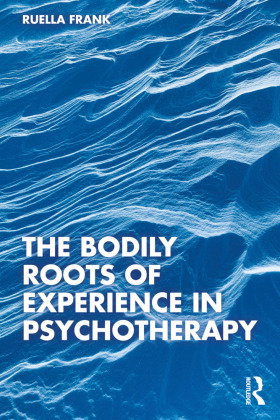
This book explores the significance of movement processes as they shape one's experience through life. With an introductory foreword by Michael Vincent Miller, it provides a comprehensive, practical understanding of how we lose the wonder and curiosity we move with as children, and how we can reclaim that.
A new paradigm is presented in the making of experience through a radical and thorough investigation into the basics of animated life. The book utilizes a precise phenomenological language for those subverbal interactions that form the foundation of lived experience. The centrality of those interactions to the therapeutic encounter is set forth through richly detailed therapy vignettes. The building of experience is meticulously explored via the bridging of infant-parent dyads and the functional similarity of those dyads to the unfolding patient-therapist relationship. Readers learn to acknowledge routine inhibitions developed in early life, appreciate their former usefulness, and discover how to restore the lively flow of moving-feeling responses.
This book is essential for all psychotherapists who wish to integrate the dynamics of movement into their work; educators who work with babies and young children; and all those wishing to understand better their psychophysical selves.