






Diese Website verwendet Cookies und ähnliche Technologien. Dabei handelt es sich um kleine Textdateien, die auf eurem Computer gespeichert und ausgelesen werden. Indem ihr auf "Alles akzeptieren" klickt, stimmt ihr der Verarbeitung von Daten, der Erstellung und Verarbeitung von individuellen Nutzungsprofilen über Websites und über Partner und Geräte hinweg sowie der Übermittlung eurer Daten an Drittanbieter zu, die eure Daten teilweise in Ländern außerhalb der Europäischen Union verarbeiten (GDPR Art. 49). Einzelheiten hierzu findet ihr in den Datenschutzhinweisen. Die Daten werden für Analysen und für eigene Zwecke Dritter verwendet. Weitere Informationen, auch über die Datenverarbeitung durch Drittanbieter und die Möglichkeit des Widerrufs, findet ihr in den Einstellungen und in unseren Datenschutzhinweisen. Hier könnt ihr mit den notwendigen Tools fortfahren.
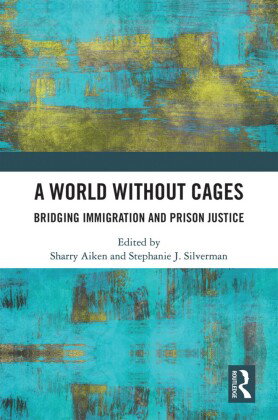
- Verlag: Taylor & Francis
- Autor: Sharry Aiken
- Artikel-Nr.: KNV96360903
- ISBN: 9781032197890
This book is the first collection to bring together scholars and activists working to end criminal and immigration detention. Employing an intersectional lens and an impressive variety of case studies, the book makes a compelling case to rethink what justice could mean for refugees, citizens, and everyone in between.
The book connects immigration detention and prison justice towards reimagining a newer, better future. The ten chapters probe the intersections of immigration detention with current and potential forms of citizenship, membership, belonging, and punishments. Deprivation of liberty is one of the most serious harms that someone can experience. Immigration control is a nation-building project where racial, gender, class, ableist, and other lines of discrimination filter and police access to permanent residence. Employing a kaleidoscope of interdisciplinary backgrounds, the contributors bring this focus to bear on case studies spanning North America, Europe, and Asia. In conversation with social movements challenging police brutality, the contributors are thinking through the implications of de-funding the police, overhauling the 'criminal justice' system, eradicating prisons (penal abolitionism), and ending all forms of containment (carceral abolitionism). Neither the prison nor the detention centre is an inevitable feature of our social lives. This book collectively argues that abolishing detention could pave the way for new visions of justice to emerge.
The chapters in this book were originally published as a special issue of Citizenship Studies.