






Diese Website verwendet Cookies und ähnliche Technologien. Dabei handelt es sich um kleine Textdateien, die auf eurem Computer gespeichert und ausgelesen werden. Indem ihr auf "Alles akzeptieren" klickt, stimmt ihr der Verarbeitung von Daten, der Erstellung und Verarbeitung von individuellen Nutzungsprofilen über Websites und über Partner und Geräte hinweg sowie der Übermittlung eurer Daten an Drittanbieter zu, die eure Daten teilweise in Ländern außerhalb der Europäischen Union verarbeiten (GDPR Art. 49). Einzelheiten hierzu findet ihr in den Datenschutzhinweisen. Die Daten werden für Analysen und für eigene Zwecke Dritter verwendet. Weitere Informationen, auch über die Datenverarbeitung durch Drittanbieter und die Möglichkeit des Widerrufs, findet ihr in den Einstellungen und in unseren Datenschutzhinweisen. Hier könnt ihr mit den notwendigen Tools fortfahren.
- Verlag: Taylor & Francis
- Autor: Nicolas Whybrow
- Artikel-Nr.: KNV96360915
- ISBN: 9780367653118
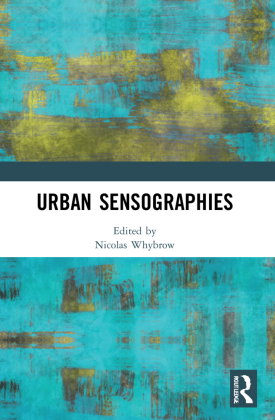
Urban Sensographies views the human body as a highly nuanced sensor to explore how various performance-based methods can be implemented to gather usable 'felt data' about the environment of the city as the basis for creating embodied mappings.
The contributors to this fascinating volume seek to draw conclusions about the constitution, character and morphology of urban space as public, habitable and sustainable by monitoring the reactions of the human body as a form of urban sensor. This co-authored book is centrally concerned, as a symptom of the degree to which cities are evolving in the 21st century, to examine the effects of this change on the practices and behaviours of urban dwellers. This takes into account such factors as: defensible, retail and consumer space; legacies of modernist design in the built environment; the effects of surveillance technologies, motorised traffic and smart phone use; the integration of 'wild' as well as 'domesticated' nature in urban planning and living; and the effects of urban pollution on the earth's climate.
Drawing on three years of funded practical research carried out by a multi-medial team of researchers and artists, this book analyses the presence and movement of the human body in urban space, which is essential reading for academics and practitioners in the fields of dance, film, visual art, sound technology, digital media and performance studies.