






Diese Website verwendet Cookies und ähnliche Technologien. Dabei handelt es sich um kleine Textdateien, die auf eurem Computer gespeichert und ausgelesen werden. Indem ihr auf "Alles akzeptieren" klickt, stimmt ihr der Verarbeitung von Daten, der Erstellung und Verarbeitung von individuellen Nutzungsprofilen über Websites und über Partner und Geräte hinweg sowie der Übermittlung eurer Daten an Drittanbieter zu, die eure Daten teilweise in Ländern außerhalb der Europäischen Union verarbeiten (GDPR Art. 49). Einzelheiten hierzu findet ihr in den Datenschutzhinweisen. Die Daten werden für Analysen und für eigene Zwecke Dritter verwendet. Weitere Informationen, auch über die Datenverarbeitung durch Drittanbieter und die Möglichkeit des Widerrufs, findet ihr in den Einstellungen und in unseren Datenschutzhinweisen. Hier könnt ihr mit den notwendigen Tools fortfahren.
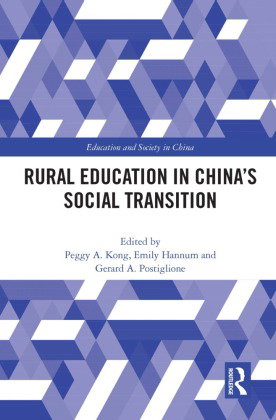
- Verlag: Taylor & Francis
- Autor: Peggy A. Kong
- Artikel-Nr.: KNV96364277
- ISBN: 9780367624101
In the first decade of the twenty-first century, the People's Republic of China experienced dramatic growth and expansion that altered the educational environment of children. Rapid economic development increased prosperity and educational opportunities for children expanded in a wealthier society. Yet, a by-product of rising wealth was rising inequality. While the children of the emerging urban middle and elite classes enjoyed new prosperity, the children of hte persistently poor in rural communities continued to experience challenges such as food insecurity, illness, hardships of family separation, and migrant life on the margins of the cities. This time period saw a large resource gap emerge between the home conditions of poor rural children compared with those of their wealthier urban counterparts.
This book highlights the complexities China has experienced in seeking to extend full educational access to rural children- including rural- to- urban migrant and ethnic minority children-during a momentous period in China. Chapters delve into the experiences, perceptions, strategies, and diffi culties of rural- origin children and their families in the school system, and lay bare the challenges of policy initiatives designed to support rural education.
We hope the experiences detailed here will be of interest to students and scholars of rural educational policy and practice in China and worldwide.