






Diese Website verwendet Cookies und ähnliche Technologien. Dabei handelt es sich um kleine Textdateien, die auf eurem Computer gespeichert und ausgelesen werden. Indem ihr auf "Alles akzeptieren" klickt, stimmt ihr der Verarbeitung von Daten, der Erstellung und Verarbeitung von individuellen Nutzungsprofilen über Websites und über Partner und Geräte hinweg sowie der Übermittlung eurer Daten an Drittanbieter zu, die eure Daten teilweise in Ländern außerhalb der Europäischen Union verarbeiten (GDPR Art. 49). Einzelheiten hierzu findet ihr in den Datenschutzhinweisen. Die Daten werden für Analysen und für eigene Zwecke Dritter verwendet. Weitere Informationen, auch über die Datenverarbeitung durch Drittanbieter und die Möglichkeit des Widerrufs, findet ihr in den Einstellungen und in unseren Datenschutzhinweisen. Hier könnt ihr mit den notwendigen Tools fortfahren.
- Verlag: Taylor & Francis
- Autor: Alan Pritchard
- Artikel-Nr.: KNV96360503
- ISBN: 9781138207943
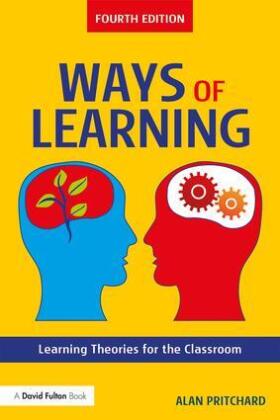
While most teachers are skilled in providing opportunities for the progression of children's learning, it is sometimes without fully understanding the theory behind it. With greater insight into what is currently known about the processes of learning and about individual learners, teachers are better equipped to provide experiences and situations that are more likely to lead to effective acquisition of knowledge, concepts and skills.
Ways of Learning has been widely used and now, fully updated, it seeks to provide further insight into the ways in which learning takes place, which teachers can make use of in their planning and teaching, including:
- an overview of learning
- behaviourism and the beginning of theory
- cognitive and constructivist learning
- multiple intelligences and learning styles
- difficulties with learning
- the influence of neuropsychology
- other theories, philosophies and names
- relating theory to practice.
The fourth edition of this book includes developments in areas covered in the preceding editions, as well as expanding on certain topics to bring about a wider perspective; most notably, a new consideration of learning styles and a new chapter detailing important thinkers and writers from the history of education and their continuing influence along with other theories, ideas and thoughts not included in the rest of the book. The book also reflects changes in government policy and is closely related to new developments in practice.
Written for trainee teachers, serving teachers and others interested in learning for various reasons, Ways of Learning serves as a valuable introduction for students setting out on higher degree work who are in need of an introduction to the topic.