






Diese Website verwendet Cookies und ähnliche Technologien. Dabei handelt es sich um kleine Textdateien, die auf eurem Computer gespeichert und ausgelesen werden. Indem ihr auf "Alles akzeptieren" klickt, stimmt ihr der Verarbeitung von Daten, der Erstellung und Verarbeitung von individuellen Nutzungsprofilen über Websites und über Partner und Geräte hinweg sowie der Übermittlung eurer Daten an Drittanbieter zu, die eure Daten teilweise in Ländern außerhalb der Europäischen Union verarbeiten (GDPR Art. 49). Einzelheiten hierzu findet ihr in den Datenschutzhinweisen. Die Daten werden für Analysen und für eigene Zwecke Dritter verwendet. Weitere Informationen, auch über die Datenverarbeitung durch Drittanbieter und die Möglichkeit des Widerrufs, findet ihr in den Einstellungen und in unseren Datenschutzhinweisen. Hier könnt ihr mit den notwendigen Tools fortfahren.
- Verlag: Taylor & Francis
- Autor: Ange Anderson
- Artikel-Nr.: KNV96360618
- ISBN: 9781032073576
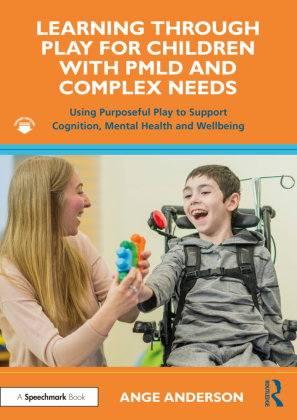
This book examines the development of play skills and schemas to support children with learning differences and physical disabilities in learning to play. It highlights the need for appropriate playground equipment in all school settings that educate children with physical disabilities and sensory needs to ensure equal opportunities for outdoor play.
Several play approaches for meeting sensory needs are discussed including Lego therapy, Art therapy, Sand play and Soft play. Digital play for students with physical disabilities is an important chapter in the book. Role play and the ways in which virtual reality and psychodrama support anxieties that some students have is another important chapter. There is also a chapter devoted to parents on how they can support their child at home and how the school can support them.
At the end of the book there is a plethora of resources that readers can copy or adapt to suit their setting. The book provides support for those managing outdoor play for these children at peak times of the day. It shows how play-based learning can work in a classroom setting; the importance of sensory profiles and sensory play; and how play therapy can aid neuroplasticity.